Your Quest for the Perfect Pixel Finding the Best Custom Web Design Partner
Why Best Custom Web Design Matters for Your Business Growth
Best custom web design is more than just making your website look good. It is about building a digital platform from scratch that is custom to your specific business goals, brand identity, and customer journey.
Custom web design gives you complete control over every aspect of your site. Unlike templates, which are designed for everyone (meaning they are perfect for no one), a custom site is built specifically around your customer’s needs and your business objectives.
Research shows 94% of first impressions are design-related, and you have just 50 milliseconds to make one. Since 42% of users abandon sites with poor functionality and 48% judge business credibility on design, your website is your most important sales tool.
Custom websites deliver measurable results. Businesses report conversion rate increases of 30-269%, traffic growth of 500-600%, and revenue lifts of 14X or more after investing in custom design. Every element, from the navigation flow to the call-to-action placement, can be strategically designed to guide visitors toward conversion.
Template sites come with hidden costs too. They often include bloated code that slows your site down, limited customization that boxes in your brand, and scaling issues that force expensive platform migrations as you grow. A custom site, built with clean code and your long-term vision in mind, avoids these pitfalls entirely.
As Joseph Riviello, CEO and Founder of Zen Agency with over 22 years of experience, I have seen how best custom web design becomes a growth engine for companies that refuse to settle for generic solutions. My team helps businesses achieve measurable ROI through strategic, custom-built websites that drive real business outcomes.
Custom vs. Template: A Head-to-Head Comparison
Choosing between a custom website and a template-based solution is a pivotal decision for any business. While website builders offer a quick and affordable entry point, they often come with limitations that can hinder your long-term growth. A template website design is like buying a pre-fabricated home, fast and functional, but you are stuck with the existing blueprint.
Uniqueness and Branding: With a custom design, your website is a blank canvas crafted to reflect your unique brand identity. This allows for a memorable online experience. Templates are built for mass appeal, meaning your site could look like hundreds of others, making it harder to stand out.
Scalability: Businesses evolve, and your website should too. Custom designs are built with scalability in mind, allowing for seamless integration of new features. Template-based sites often struggle here, leading to costly workarounds or a complete rebuild.
SEO Capabilities: Search Engine Optimization is the lifeblood of online visibility. Custom websites are developed with clean, optimized code that search engines favor, leading to faster loading times and better rankings. Templates, while convenient, can come with bloated code that slows down your site, negatively impacting your SEO and user experience.
Functionality: If you need unique features that solve specific customer pain points or streamline internal processes, custom design is the better option. Templates offer a limited set of built-in functionalities. If your vision extends beyond basic forms and galleries, a custom solution provides the flexibility to build what you need.
Cost: While the upfront cost of a custom website is higher (ranging from $5,000 to well over $100,000 depending on complexity), it is an investment in a custom asset. Template sites are cheaper initially (typically $500-$5,000), but their limitations can lead to hidden costs down the line, such as lost opportunities due to poor performance or the eventual need for a complete custom overhaul.
Maintenance: Both types of websites require maintenance. However, custom sites, when built correctly, can have administrative dashboards designed with only the necessary tools for daily operations, making them straightforward to manage. Template sites, especially those built on proprietary platforms, might lock you into their ecosystem, making updates or migrations challenging.
Why Custom is a Superior Long-Term Investment
Investing in Best custom web design is not just about having a visually appealing website; it is about building a robust digital asset that drives long-term success.
- Unique User Experience (UX): A bespoke website allows for meticulous UI/UX design, creating an intuitive and engaging journey for your visitors. This user-centric approach reduces bounce rates and keeps visitors on your site longer, which can translate into higher conversion rates.
- Stronger Brand Identity: Your website is a direct extension of your brand. With custom design, every element reinforces your identity, from the typography and color palette to distinctive visual elements. This cohesive branding establishes credibility and trust with your audience.
- Improved Conversion Rates: Because custom websites are built around your specific customer journey, they are inherently designed for conversion. Strategic calls-to-action, optimized content placement, and seamless functionality work together to turn visitors into leads and customers.
- Scalability for Growth: As your business expands, your website can grow with it. Custom architecture means you can add new features, integrate advanced systems, or handle increased traffic without compromising performance.
- Long-term ROI: While the initial investment might be higher, the long-term return on investment (ROI) from a custom website often outweighs that of a template. Improved SEO, higher conversion rates, better brand perception, and the flexibility to adapt to market changes all contribute to a digital asset that continually generates value.
The Blueprint for Success: How to Find and Hire for the Best Custom Web Design
Finding the right partner to create your Best custom web design is a critical step. You need someone who understands your vision, has the expertise to execute it, and can guide you through the process.
Step 1: Define Your Project Scope and Budget
Before you start looking for a web design partner, you need to know what you are looking for. This initial planning phase is crucial for a successful outcome.
Here is a list of essential elements to plan for:
- Target Audience: Who are you trying to reach? Understanding your audience’s behaviors and pain points is fundamental for user-centric design.
- Key Features and Functionality: What does your website need to do? List must-have functionalities, from simple contact forms to complex e-commerce capabilities or custom integrations.
- Business Goals: What do you want your website to achieve? Clearly defined goals (for example, lead generation, online sales, brand authority) will guide the entire design and development process.
- Conversion Goals: How will you measure success? Identify specific actions you want users to take, such as filling out a form, making a purchase, or subscribing to a newsletter.
- Content and Structure: Start thinking about your website’s pages and the content for each. A well-planned content strategy and information architecture are vital for intuitive navigation.
- Cost Factors and Project Complexity: Be realistic about your budget. The cost of a custom website varies based on complexity, features, UI/UX design, CMS choice, and the expertise of the agency.
- Small business custom websites in areas like Scranton or Wyoming PA typically range between $25,000 and $30,000.
- Medium-scale business custom websites can cost between $50,000 to $60,000 or more.
- Enterprise-level custom web designs, like those for large corporations in the USA, can begin at $100,000 and go up to hundreds of thousands.
- Hourly rates for web designers can range from $30 to $150 or more, depending on project scope and advanced requirements.
- Many businesses allocate 6-20% of their marketing budget to web design services, recognizing it as a strategic investment.
By clearly defining these elements, you will be well-equipped to articulate your needs to potential partners and ensure a project that aligns with your vision and budget.
Step 2: How to Choose the Right Partner for the Best Custom Web Design
Once your project scope and budget are defined, it is time to find the right web design partner. This involves careful vetting and asking the right questions.
- Research and Vetting Candidates: Start by researching potential agencies. Look beyond a simple Google search; seek referrals and browse agency directories like Clutch.co. These platforms offer ratings and reviews, helping you find a match for your needs.
- Portfolio Review and Case Studies: Review an agency’s past work. Does their style resonate with your brand? Look for case studies that detail the challenges, solutions, and measurable results they achieved for clients.
- Client Testimonials and Reviews: Read what real clients say about working with them. On platforms like Clutch, reviews are verified, providing insight into an agency’s communication, adherence to timelines and budgets, and overall client satisfaction.
- Communication Skills: A custom web design project is a collaboration. Your agency should be able to explain technical concepts clearly, listen to your feedback, and maintain transparent communication throughout the project. Ask them about their project communication process and what you can expect.
- Industry Experience and Expertise: Does the agency understand your market and target audience? An agency with experience in your industry can better anticipate your unique challenges and opportunities.
- Beyond Design: Inquire about other services. Do they offer digital marketing, information architecture, user research, or post-launch support? A partner who can integrate these complementary skills will provide a more holistic and effective solution for your online presence.
Choosing a web design partner is the beginning of a relationship. You are looking for a trusted advisor who will help your business thrive online. As Forbes notes, your website is a critical component of your business strategy, and selecting the right partner is paramount. Website statistics from Forbes.
Step 3: Understanding the Custom Design Process
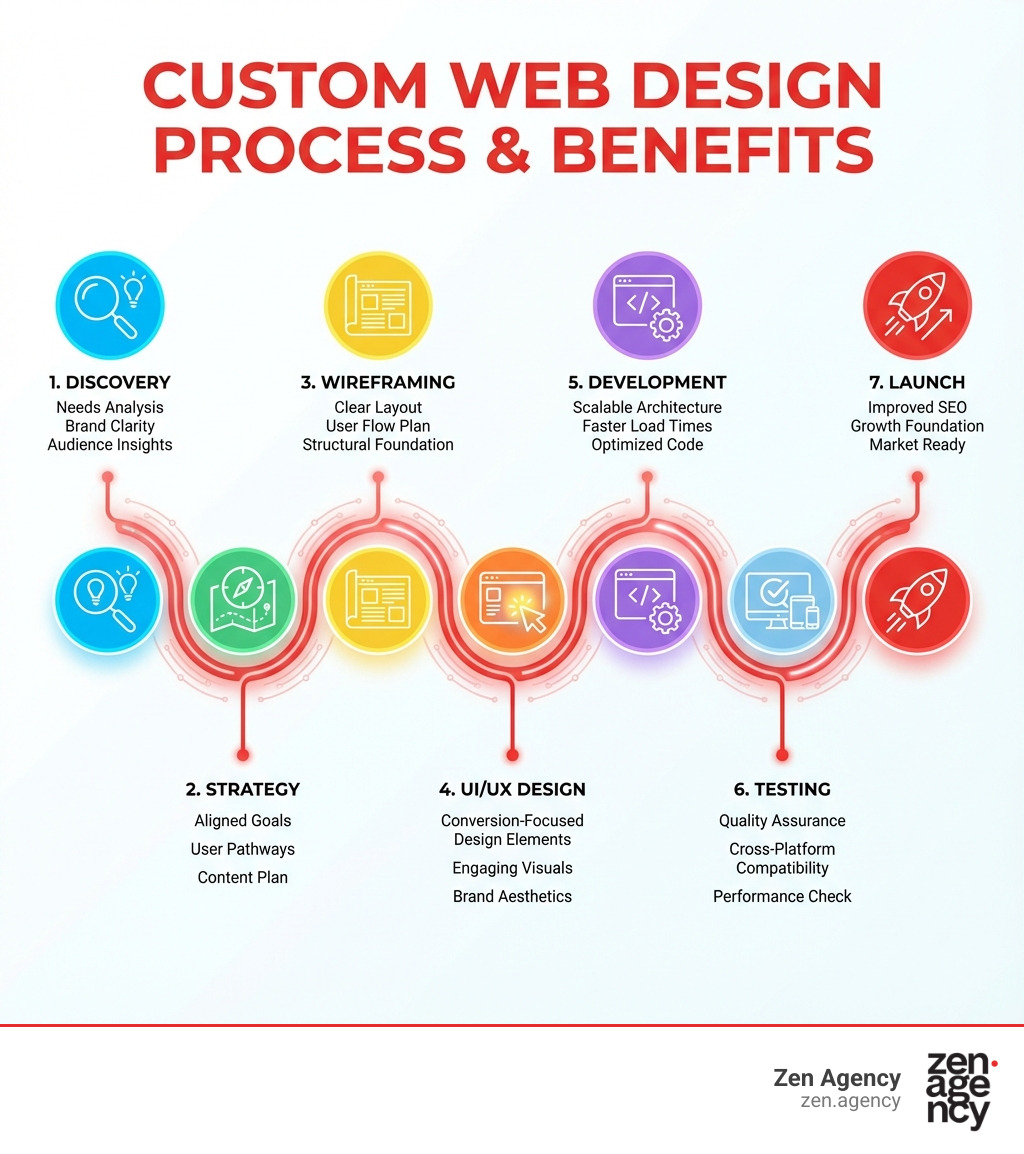
Once you have selected your partner for the best custom web design, you will start on a structured journey to bring your vision to life. Most reputable agencies follow a similar path:
- Findy and Strategy: This is where your agency dives into your business. They define product objectives, conduct user research, and analyze your competitors. Together you craft a creative brief and a strategic roadmap to ensure every design decision aligns with your business goals.
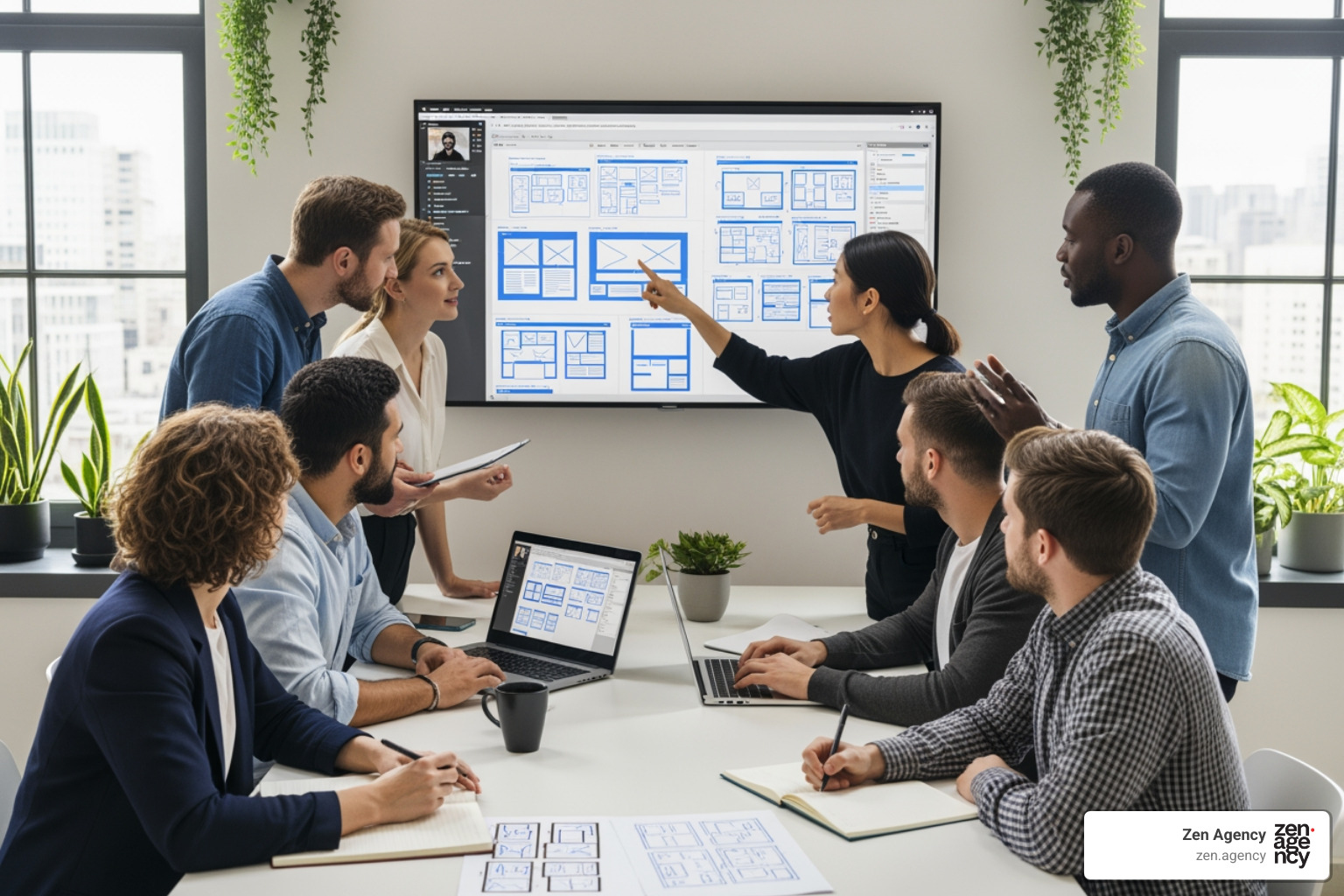
- UI/UX Design and Wireframing: This is the blueprint phase. UX/UI designers focus on creating an intuitive user experience and a visually appealing interface. They start with wireframes, basic structural layouts to plan navigation, content placement, and functionality. This allows changes before visual design begins.
- UI and Visual Design: The blueprint is then brought to life with colors, typography, imagery, and interactive elements. This phase focuses on the look and feel of your website, ensuring it aligns with your brand identity. Agencies present mockups or prototypes for your feedback.
- Development and Coding: Once designs are approved, developers translate them into clean, functional code. This includes front-end development (what users see and interact with) and back-end development (server-side logic, databases, and integrations).
- Testing and Quality Assurance (QA): Before launch, rigorous testing is essential. Functionality is checked across different browsers and devices, mobile responsiveness is verified, and forms and integrations are tested. Performance optimization is also handled at this stage.
- Launch and Post-Launch Support: After testing, your new website is launched, with content migration and final checks. Post-launch support can include training so you can manage your site, as well as ongoing maintenance, security updates, and performance monitoring. A website is an evolving project, not a set-it-and-forget-it task.
The Hallmarks of a High-Converting Custom Website
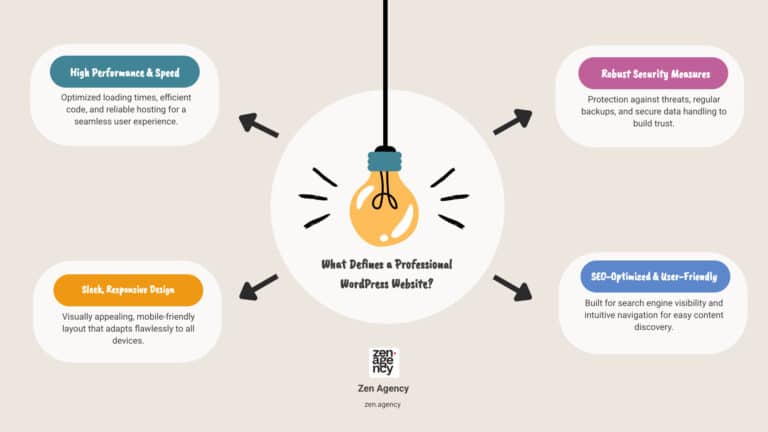
A truly effective best custom web design is not just about looking good; it is about performing well. It creates a digital space that captivates, guides, and converts visitors.
A Flawless User Experience (UX) and Interface (UI)
The foundation of any successful website is a strong user experience (UX) and user interface (UI).
- Intuitive Navigation: Users should not feel lost. Clear menus and logical content architecture help visitors find what they are looking for.
- Fast Loading Speeds: Many users abandon a website when there is a delay in page load time. Custom designs can be built with clean code for fast loading speeds that keep visitors engaged.
- Mobile-First Design: With most internet traffic now coming from mobile devices, a mobile-first approach is essential. Custom websites can be fully responsive, adapting to any screen size for a consistent user experience.
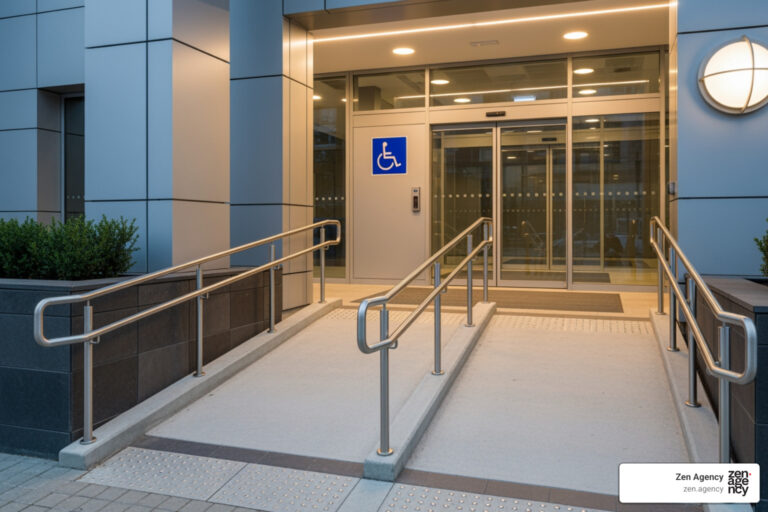
- Accessibility (WCAG): An accessible website is usable for more people. Following Web Content Accessibility Guidelines (WCAG) helps ensure your site is navigable and understandable for visitors with disabilities.
- How UX Impacts Conversions: A positive UX builds trust and reduces friction. When users enjoy their time on your site, they are more likely to engage with your content, explore your offerings, and convert.
- Reducing Bounce Rates: Poor functionality or a clunky interface sends users away quickly. By prioritizing intuitive design, fast loading, and mobile responsiveness, you can reduce bounce rates and keep potential customers on your site longer.
A Strong, Cohesive Brand Identity
Your brand is your promise to your customers. A Best custom web design translates that promise into a clear visual and interactive experience.
- Visual Consistency: Elements such as your logo, color palette, typography, and imagery should be consistent with your overall brand identity. This creates a professional, polished look.
- Unique Branding: Unlike templates, which force you into predefined layouts, custom design allows for unique branding. You can incorporate custom visual elements and layouts that make your brand stand out.
- Storytelling Through Design: Your website can tell your brand’s story through thoughtful design and visuals. This narrative helps connect with your audience on an emotional level.
- Establishing Credibility and Trust: A well-designed custom website can quickly establish credibility. A professional, unique, and easy-to-use site signals reliability and professionalism.
- How Custom Design Reinforces Your Online Presence: Your website is the central hub of your digital presence. A custom design helps ensure that this hub aligns with your other marketing efforts, strengthening your overall online footprint.
Built for Performance, SEO, and Growth
A beautiful website is helpful, but a beautiful, high-performing website can be a growth driver. Best custom web design solutions can be engineered for performance, SEO, and sustainable growth.
- SEO-Friendly Architecture: Custom websites can be built with a robust, SEO-friendly architecture from the ground up. This includes proper heading hierarchy, optimized metadata, and logical internal linking.
- Clean Code: Templates can include unnecessary features that slow a website down. Custom websites can be built with clean, purposeful code, which can improve page speeds and crawlability.
- Scalability for Future Features: A custom build provides the flexibility to integrate new features, expand content, and adapt to evolving market demands as your business grows.
- Improved Security: Custom websites, when developed by experts, can incorporate security measures that match your specific needs and help protect your data and your customers’ information.
- Achieving Higher Search Rankings and Lead Generation: By optimizing your site for search engines and providing a strong user experience, a custom website can help improve search visibility, drive more organic traffic, and convert visitors into leads and customers.
Frequently Asked Questions about Custom Web Design
Investing in Best custom web design often raises practical questions. Here are answers to some of the most common ones.
How much does a custom website cost?
The cost of a custom website varies, similar to the cost of a custom-built home. It depends on several factors:
- Complexity and Features: A simple informational site with a few pages will cost less than a complex e-commerce platform with custom integrations and extensive functionality.
- UI/UX Design Depth: The amount of user experience research and the level of interface design required also affect the price.
- Agency Expertise and Size: Boutique agencies or individual freelancers in smaller markets might have lower rates than large, full-service digital marketing agencies.
- Geographic Location: Local market rates for web design services can influence cost.
For many businesses:
- A typical small business project, focusing on a unique online presence without extensive custom features, often falls in the $10,000 – $50,000 range, with some sources suggesting small business custom websites often fall between $25,000 and $30,000.
- Medium-scale business custom websites can cost between $50,000 to $60,000 or more.
- Enterprise custom web designs, with extensive functionalities and integrations, can begin at $100,000 and rise from there.
- Hourly rates can range from $30 to $150 or more, depending on the specific expertise required.
Many businesses allocate 6-20% of their marketing budget to web design services, seeing it as a long-term investment.
How long does it take to build a custom website?
The timeline for a custom website project is directly related to its scope and complexity.
- Simple Websites: A basic informational website with a few custom pages might take 2-4 weeks if content is ready and decisions are made quickly.
- Standard Business Websites: Many standard custom websites, balancing unique design with essential functionalities, typically take 8-16 weeks from initial planning to launch.
- Medium to Complex Sites: Websites with more advanced features, custom integrations, or substantial content often take 3 months or longer.
- Large E-commerce Platforms or Web Applications: For highly complex projects like large e-commerce sites or detailed web applications, timelines of 6 months or longer are common.
Client involvement has a major impact. Prompt feedback and timely content delivery help keep a project on track, while delays can extend the schedule.
Is custom web design better for SEO?
Many businesses find that Best custom web design performs better for SEO than template-based solutions.
- Optimized Site Structure: Custom design allows you to build your website with an SEO-friendly architecture from the start, with logical content hierarchy, headings, and internal linking.
- Clean Code: Templates can come with extra code and features that are not needed. Custom websites can avoid this, which helps page speed and crawl efficiency.
- Faster Page Speeds: Page speed is an important ranking factor for Google. Custom sites can be tuned for speed more easily, improving user experience and search visibility.
- Stronger User Experience (UX): Search engines increasingly consider user experience signals. A custom site, designed for intuitive navigation, mobile responsiveness, and engaging content, can support lower bounce rates and higher engagement.
- Scalability for SEO Growth: As your business grows, a custom website can adapt to new SEO strategies, such as new content hubs or refined technical SEO.
Custom web design gives you more control over elements that influence SEO, supporting a strategic approach to driving organic traffic.
Your Partner for Pixel-Perfect Results
Your quest for the perfect pixel points toward a commitment to best custom web design. A custom-built website is not just an aesthetic choice; it is a strategic investment that supports unique branding, a stronger user experience, and long-term ROI. From establishing credibility and trust to driving conversions and supporting growth, a bespoke digital platform can be the backbone of modern business success.
At Zen Agency, we understand the challenges and opportunities businesses face in locations like Wilkes Barre, Scranton, Wyoming PA, and Billings MT. Since 2008, we have focused on providing enterprise-grade solutions and innovative strategies. Our mission is to help struggling-to-scale businesses increase visibility, profitability, and ROI through carefully crafted custom websites.
Do not settle for a generic online presence that limits your potential. Partner with a team that can help you build a digital asset that reflects your brand, engages your audience, and supports measurable results.