How to Build a Brand That Lasts: A Step-by-Step Strategy Guide
Why Your Brand Strategy Process Matters More Than Ever
Brand strategy process is the systematic approach to defining who you are as a company, what you stand for, and how you consistently present that identity to your target audience. It involves understanding your market, defining your purpose, creating a visual and verbal identity, and implementing it consistently across all touchpoints.
Your brand has seven seconds to make a first impression. In that brief window, potential customers decide if you’re trustworthy and worth their time. Without a clear brand strategy process, you’re gambling with that critical moment every time someone encounters your business.
The problem is, 77% of consumers said they would not care if 77% of brands disappeared. Most brands are forgettable because they haven’t defined what makes them different or why anyone should care.
The stakes are high. Over 80% of consumers need to trust a brand before considering a purchase, and 87% of customers spend more on brands they trust. Trust isn’t accidental; it’s built through consistent, strategic branding.
Businesses with a documented brand strategy process grow faster, command higher prices, and build lasting customer relationships. They have a roadmap, not just random marketing tactics.
I’m Joseph Riviello, and over 22 years in digital marketing, I’ve seen companies transform by committing to a structured brand strategy process. Those that do consistently outperform those that don’t.
What Are the Core Elements of a Strong Brand Strategy?
A strong brand strategy isn’t just a pretty logo or a catchy slogan; it’s the DNA of your business. It’s a purposeful plan defining what your brand represents, guiding every decision. Think of it as your brand’s “north star,” shaping how your audience perceives you and why they choose you over the competition. Without it, you’re sailing without a map, leading to aimless business navigation.
The core elements of a robust brand strategy include your purpose, values, market positioning, messaging, and visual identity, all working together to create a lasting emotional connection.
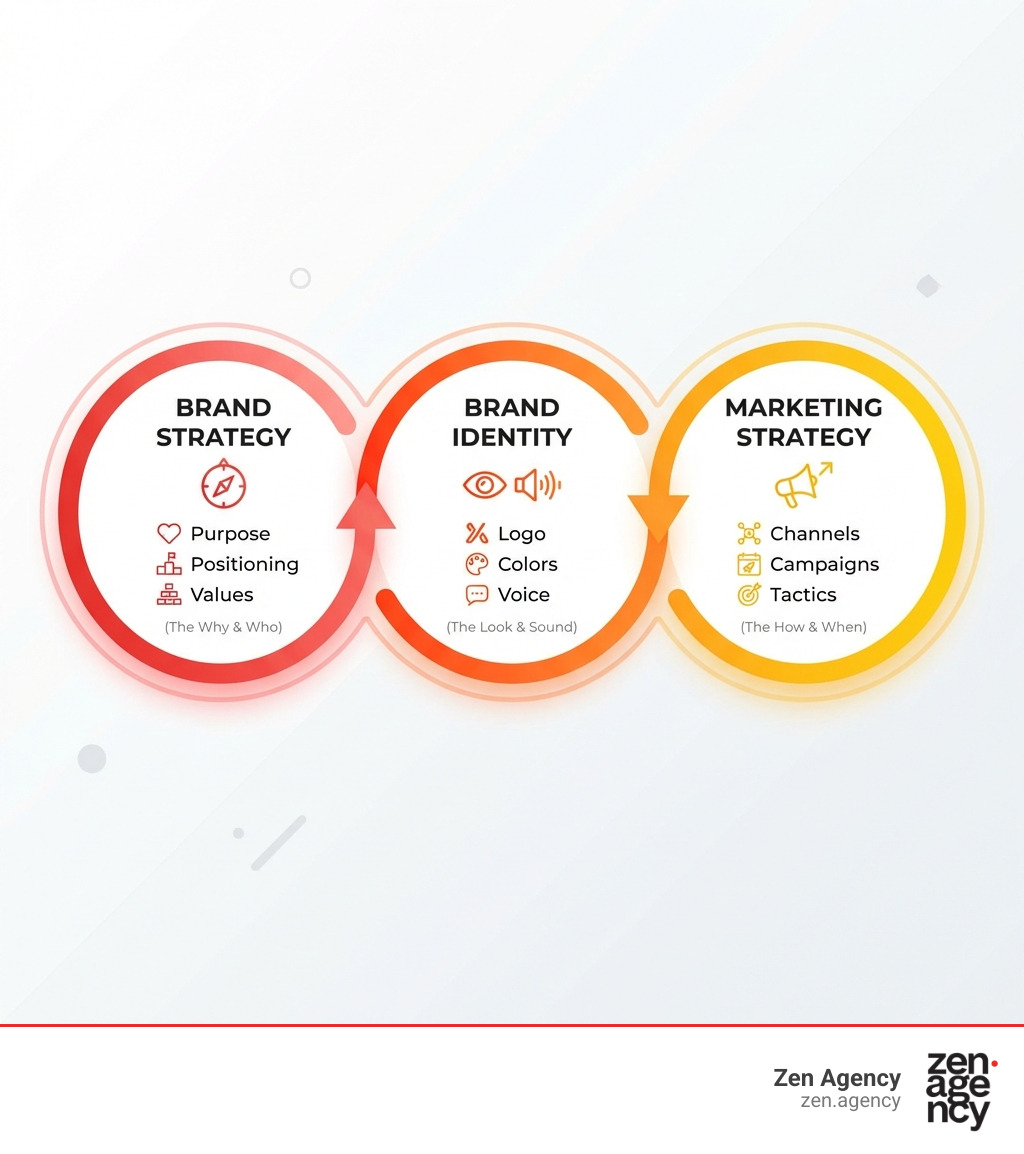
To clarify, let’s look at how brand strategy differs from brand identity and marketing strategy:
| Feature | Brand Strategy | Brand Identity | Marketing Strategy |
|---|---|---|---|
| Primary Goal | Define who the brand is and its long-term vision. | Create the visual and verbal elements that express the strategy. | Execute campaigns to achieve specific marketing goals (e.g., sales, leads). |
| Focus | Internal blueprint, long-term perception, differentiation. | External expression, sensory experience (look, feel, sound). | Tactical implementation, short-term campaigns, market reach. |
| Questions Answered | Why do we exist? Who are we? How do we want to be perceived? | How do we look? How do we sound? What is our personality? | What are we selling? To whom? How will we reach them? |
| Time Horizon | Long-term, foundational. | Medium to long-term, evolves with strategy. | Short to medium-term, campaign-driven. |
| Key Output | Brand guidelines, positioning statements, mission/vision. | Logo, color palette, typography, voice guide. | Ad campaigns, social media posts, email sequences, SEO plans. |
Define Your Brand’s Purpose (Your “Why”)
At the heart of any effective brand strategy is your brand’s purpose—your “why.” As Simon Sinek said, “People don’t buy what you do; they buy why you do it.” This isn’t just about making money; it’s about the problem you solve and the impact you want to make.
Your mission statement should articulate what you do, for whom, and the benefit. Your vision statement paints a picture of the future you aspire to create. For example, a local organic grocery’s vision might be “to cultivate a healthier, more sustainable community where fresh, local food is accessible to everyone.”
Defining your purpose also means understanding how you solve customer problems. This focus is crucial because 7 out of 10 consumers want to buy from brands that reflect their personal values. Articulating your purpose and values connects with customers on a deeper level, fostering trust and loyalty.
Establish Your Brand Positioning
Once you know your “why,” the next step is to establish your brand positioning. This defines how you are different from competitors and why clients should choose you. In a world with over half a million brands, standing out is a necessity.
Your unique value proposition (UVP) is a succinct explanation of the value you offer and the problems you solve. For example, a boutique hotel might position itself as a luxurious, serene escape from the city.
Tools like perceptual mapping can help you visually represent competitors’ positions and find gaps in the market. This helps you carve out a niche where your strengths shine. Your brand positioning statement, an internal document, then captures this essence to guide your marketing team. While your core positioning remains consistent, your messaging can be custom to emphasize the most relevant points for different audiences.
The 7-Step Brand Strategy Process: From Concept to Consistency
The brand strategy process is a structured journey that transforms abstract ideas into a tangible, impactful brand. It’s a long-term plan that guides every brand decision, ensuring consistency and driving growth. This isn’t a one-time task but an ongoing commitment to nurturing your brand.
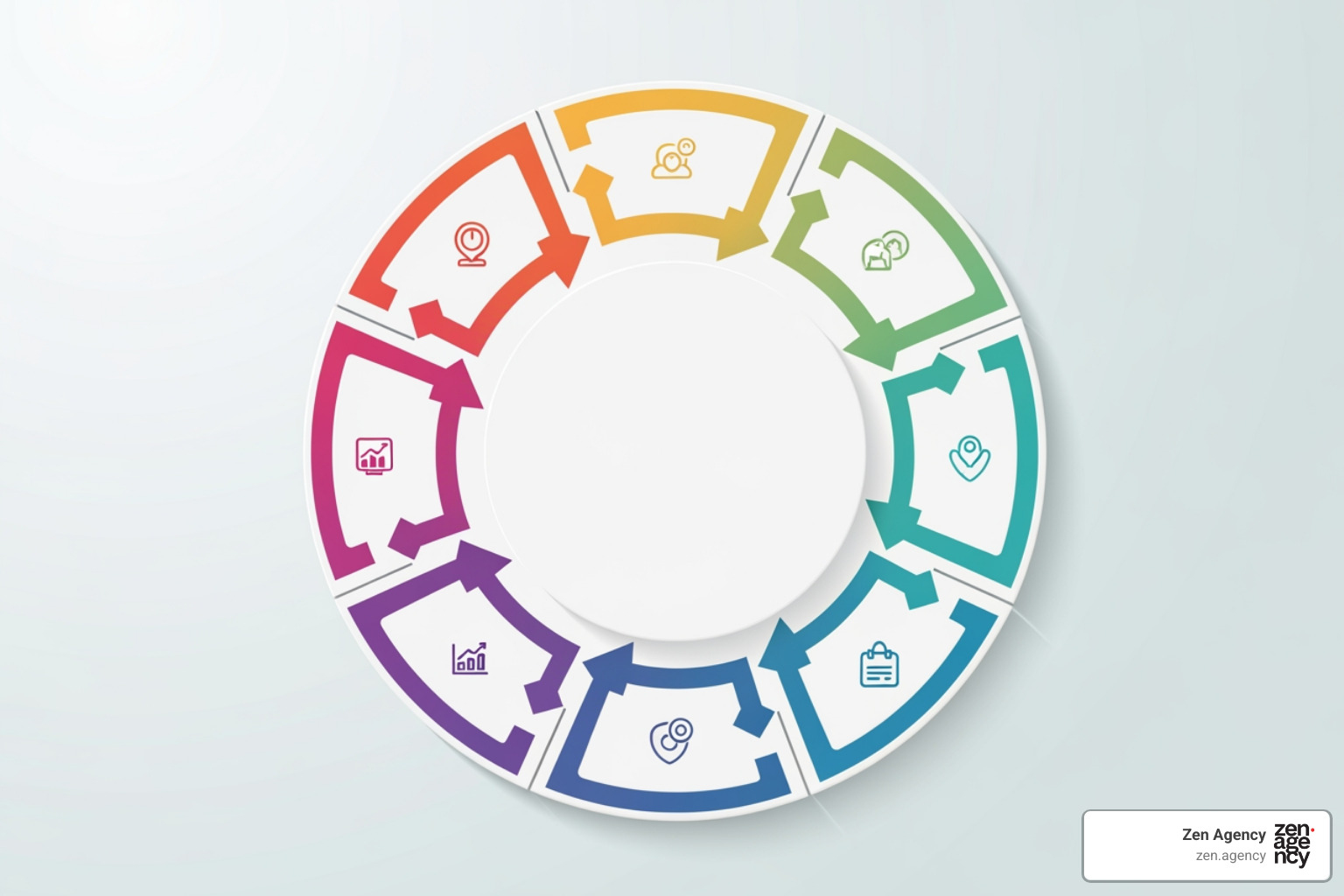
This guide breaks down the brand strategy process into seven actionable steps to build a resilient brand.
Step 1: The Foundation of Your Brand Strategy Process – Research and Findy
Every great brand strategy begins with deep understanding. This findy phase is where you investigate your market, audience, and competitive landscape to gather insights that inform every subsequent decision.
- Target Audience Identification: Who are you trying to reach? Go beyond demographics to understand psychographics—their values, beliefs, and motivations. Nearly 60% of consumers think businesses need to understand and address their needs better, so create detailed buyer personas to represent your ideal customers.
- Competitor Analysis: Analyze your rivals’ brand strategies, messaging, and market positioning. This helps identify opportunities for differentiation and avoid simply mimicking others.
- SWOT Analysis: Assess your internal Strengths and Weaknesses, and external Opportunities and Threats, for a holistic view of your brand’s standing.
- Market Trends: Keep up with industry shifts and evolving consumer preferences to adapt your strategy proactively and ensure long-term relevance.
This research phase is the most important stage, laying the groundwork for all future decisions.
Step 2: Craft a Compelling Brand Message and Voice
With a solid understanding of your audience and market, you can craft a brand message that resonates and a voice that is distinctly yours. This is where your brand’s personality comes to life.
- Brand Personality: If your brand were a person, what would they be like? You can use brand archetypes (e.g., The Sage, The Rebel) to define character traits that align with your values and appeal to your target audience.
- Tone of Voice Guidelines: Your brand voice is the consistent personality of your communication, while tone is the attitude for specific contexts. For example, Uber describes their tone as “Optimistic, inviting, bold.” Define adjectives for how your brand speaks to ensure consistency. Your voice remains constant, but your tone can adapt from a cheeky social post to a serious blog.
- Storytelling: Your brand story goes beyond your products; it’s about your origin, values, and the problems you solve. Storytelling is a powerful way to build trust and connect with consumers on an emotional level.
- Core Messaging Pillars: These are the key themes you consistently communicate. They articulate your unique selling proposition (USP) and reinforce your brand positioning.
- Tagline Creation: A memorable tagline is a concise phrase that encapsulates your brand’s essence. Think Nike’s “Just Do It”—simple, powerful, and instantly recognizable.
Step 3: Develop a Memorable Visual Identity
Humans are highly visual, processing images faster than words. This makes visual identity a cornerstone of the brand strategy process, making your brand recognizable at a glance.

- Logo Design: Your logo is often the first visual representation of your brand. A good logo is memorable, simple, and conveys your brand’s personality. The Nike swoosh, created for just $35, is a prime example.
- Color Psychology: Colors evoke specific emotions. Select a color palette that aligns with your brand’s personality and values.
- Typography: The fonts you choose convey personality and must be legible and consistent across all mediums.
- Imagery Style: Define the type of photography, illustration, or graphics you use. Whether vibrant or minimalist, your imagery must be consistent.
- Iconography: Consistent icons help simplify communication and reinforce your visual style.
- Visual Consistency: Every visual element must align to build recognition and trust.
Step 4: Create Comprehensive Brand Guidelines
Once your visual and verbal identities are established, documenting them in brand guidelines (or a brand style guide) is crucial. This “bible” for your brand provides definitive standards to ensure every piece of communication is on-brand.
- Documenting Rules: The guide covers everything from logo usage (clear space, incorrect applications) to your color palettes (HEX, RGB, CMYK codes).
- Font Hierarchy: It specifies your chosen typography, including fonts, sizes, and weights for headings and body text.
- Voice and Tone Instructions: Include examples of your brand voice and guidance on adapting the tone for different channels.
- Ensuring Consistency: This document is shared with all employees and partners to ensure a consistent brand experience across all touchpoints, which builds trust and recognition.
Step 5: Implement Your Strategy Across All Touchpoints
A brand strategy is only as good as its implementation. This step is about integrating your brand identity across every point where a customer, employee, or stakeholder interacts with your business.
- Website Branding: Your website is your digital storefront and must perfectly reflect your visual identity, brand voice, and messaging.
- Social Media Profiles: With over 90% of marketers use social media for brand awareness, your presence must be consistent. This includes profile pictures, bios, and a uniform tone of voice.
- Email Marketing: Newsletters and automated campaigns must adhere to your brand’s visual and verbal standards for a cohesive experience.
- Advertising Campaigns: All ads, whether digital or print, must be instantly recognizable and communicate your core message.
- Customer Service Interactions: Your brand extends to how your customer service team communicates. Their tone and problem-solving approach are critical touchpoints.
- Physical Touchpoints: For physical products, packaging is a crucial brand ambassador. For brick-and-mortar businesses, the in-store experience, from signage to staff uniforms, contributes to the brand.
By implementing your brand strategy across all touchpoints, you ensure a unified presence that builds trust and reinforces your identity.
Step 6: Leverage Data and Technology for Engagement
A data-driven approach moves the brand strategy process from intuition to intelligence, leading to more predictable outcomes and a positive ROI.
- Data-Driven Insights: Use analytics and AI to understand customer behavior, track performance, and identify trends. This reduces guesswork and makes branding efforts more effective.
- Social Media Marketing: Use social platforms to engage your target audience. As over 90% of marketers use social media for brand awareness, creating platform-specific content and running targeted ads is crucial.
- SEO for Brand Visibility: Search Engine Optimization (SEO) makes your brand findable online. Optimizing your website and content improves search rankings, reaching customers actively looking for your services.
- Content Marketing: Create valuable content (blogs, videos, guides) that aligns with your brand voice, addresses audience pain points, and establishes your expertise.
- Analytics and Tracking: Set up analytics to monitor website traffic, social engagement, and conversion rates. This data provides insights into what’s working.
- Personalization: Use data to personalize interactions with your audience, delivering custom messages and experiences that resonate more deeply.
Step 7: The Final Step in the Brand Strategy Process – Analyze and Refine
The brand strategy process is not static; it’s an ongoing cycle of analysis and refinement. To remain relevant, your brand strategy must adapt to evolving markets, customer needs, and competition.
- Key Performance Indicators (KPIs): Establish clear KPIs for branding efforts, such as brand awareness, engagement, website traffic, and customer loyalty.
- Brand Tracking: Use regular surveys and studies to measure brand perception, recall, and equity over time.
- Customer Loyalty Metrics: Use tools like the Net Promoter Score (NPS) to gauge customer satisfaction and loyalty.
- Social Listening: Monitor social media, online reviews, and forums to understand public sentiment about your brand in real-time.
- Customer Feedback: Collect direct feedback through surveys and customer service interactions to understand customer expectations.
- A/B Testing: Continuously test different messaging, visuals, and calls to action to optimize campaigns.
- Iterative Improvement: Use the data and feedback collected to make informed adjustments to your brand strategy, from messaging to visuals.
- Budget Considerations: With 59% of CMOs reporting insufficient funds, data-driven decisions are crucial to ensure every branding dollar yields a positive return.
By regularly analyzing and refining your brand strategy, you ensure it remains agile, impactful, and aligned with your business goals, driving sustained growth and customer loyalty.
Brand Strategy in Action: Examples and Context
Understanding the brand strategy process is one thing; seeing it in action is another. Successful brands consistently apply these principles, adapting them to their unique contexts.
Purpose-Driven Branding Example
A powerful example of a brand leading with purpose is Tentree. This clothing company built its brand around a clear mission: planting ten trees for every item sold, with a vision to plant one billion trees by 2030.
Tentree’s success shows how a mission-led strategy resonates with value-aligned consumers. Their environmental values are woven into every aspect of their brand, from materials to marketing. This authenticity fosters trust and proves that consumers are drawn to brands that stand for more than just profit.
Contextual Differences: B2C vs. B2B vs. SMEs
While the core principles of the brand strategy process are universal, their application differs by business context:
- B2C (Business-to-Consumer): Brands like Nike and Apple focus on creating an emotional connection and community through aspirational messaging and visual storytelling.
- B2B (Business-to-Business): B2B strategies emphasize trust, credibility, and ROI. The messaging is more rational, focusing on solving complex business problems through thought leadership and case studies.
- SMEs (Small and Medium-sized Enterprises): For businesses in locations like Wilkes Barre, Scranton, or Billings MT, the focus is often on local connection, community involvement, and personalized service to differentiate from larger competitors.
While your core brand positioning must be the same for all audiences, each audience will be interested in different aspects of it. Your messages to each audience should emphasize the most relevant points, addressing their specific concerns.
Frequently Asked Questions about the Brand Strategy Process
Here are answers to common questions about the practicalities of developing and maintaining a brand strategy.
How long does it take to develop a brand strategy?
A comprehensive brand strategy process typically takes 8 to 12 weeks. The timeline depends on the complexity of the business, the depth of research required, and the availability of key stakeholders. A robust strategy requires dedicated time for research, deliberation, and creative development.
How often should a brand strategy be reviewed?
A brand strategy is a living document that needs regular attention. We recommend a formal review at least annually, but you should re-evaluate it sooner if you notice:
- Significant market shifts or new competitors.
- Evolving customer needs or desires.
- Major business changes like expansion or new product launches.
- Gaps in performance or negative customer feedback.
Continuous monitoring allows for agile adjustments, keeping your brand strategy relevant.
What is the difference between brand strategy and a marketing plan?
This is a common point of confusion. In short:
- Brand Strategy (The “Why” and “Who”): This is your long-term foundational blueprint. It defines who you are, what you stand for, and how you want to be perceived. It’s the compass.
- Marketing Plan (The “How” and “When”): This is your tactical roadmap for communicating your brand message. It outlines the channels and campaigns you’ll use to achieve short-term goals like sales and leads. It’s the vehicle.
A strong brand strategy makes all marketing efforts more consistent and impactful.
Build a Resilient Brand for the Future
The brand strategy process is arguably the most important work a business can undertake. It’s the disciplined effort to define who we are, what we stand for, and how we consistently communicate that to the world. By following the seven steps outlined in this guide – from deep research and findy to continuous analysis and refinement – we empower our brand to not just survive but thrive in a competitive landscape.
A documented brand strategy isn’t merely a piece of paper; it’s a living guide that ensures alignment across our entire organization, from the leadership team to every customer-facing employee. It builds brand equity, the long-term value our brand holds in the minds of our customers, which translates into increased profitability, higher sales, and greater market share. More importantly, it fosters genuine customer loyalty, creating a community of advocates who believe in what we do.
At Zen Agency, we understand the profound impact a well-crafted brand strategy can have. We’ve seen businesses in Pennsylvania and Montana transform by embracing a strategic approach to their brand. If you’re ready to define your brand’s unique character and build a lasting legacy, we’re here to help.
Develop a powerful and consistent brand with our expert branding and design services