Winning Clients: How to Write a Killer Website Proposal
Why Your Proposal for Website Development and Maintenance Doc is Your Most Powerful Sales Tool
A proposal for website development and maintenance doc is a formal sales document that outlines your services, timeline, deliverables, and pricing for both building a new website and maintaining it over time. Here’s what it should include:
Essential Components:
- Executive Summary – Client pain points and your solution
- Scope of Services – Development features (CMS, pages, integrations) and maintenance services (updates, backups, monitoring, security)
- Timeline & Deliverables – Project phases from findy to launch, plus ongoing maintenance schedule
- Pricing & Payment Terms – Clear breakdown of development costs and monthly/annual maintenance retainer
- Service Level Agreement (SLA) – Response times, uptime guarantees, and support channels
- Terms & Conditions – Intellectual property, confidentiality, and termination clauses
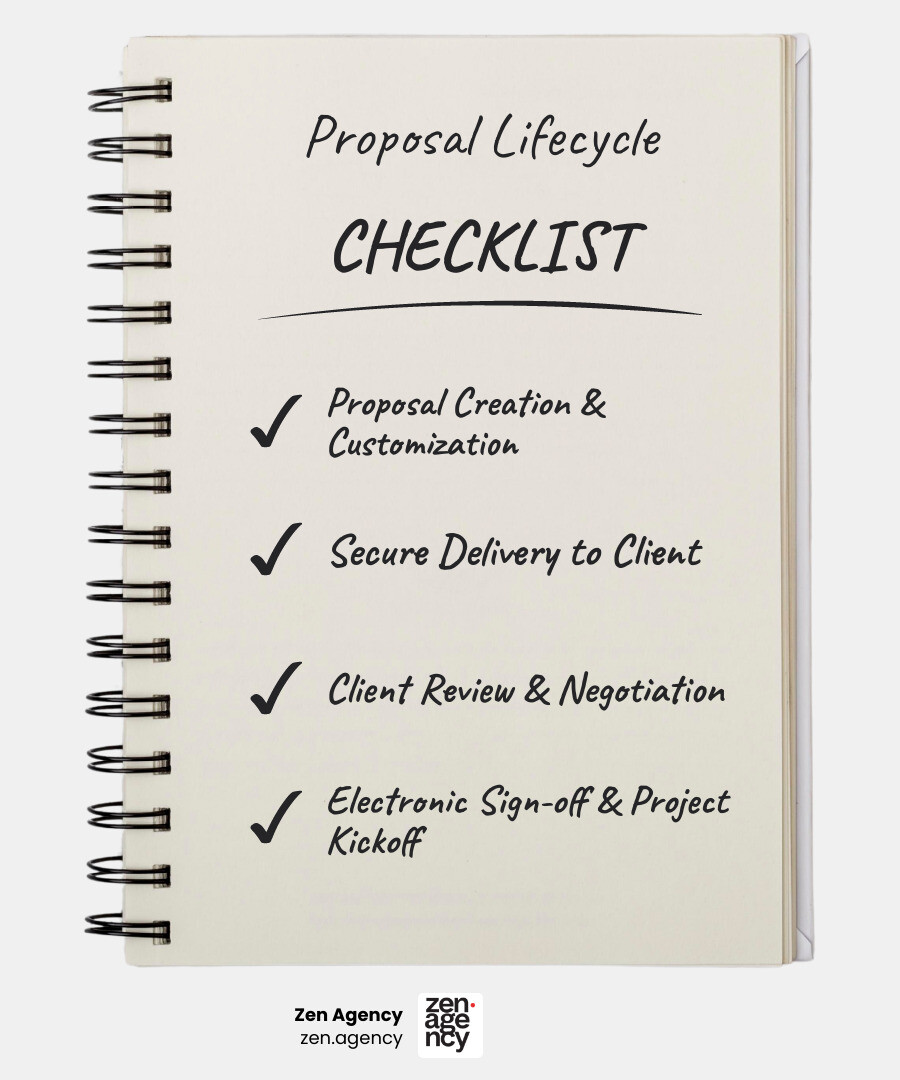
- Next Steps – Clear call-to-action and e-signature capability
The most effective proposals combine both development and maintenance into one document, showing clients the full value of a long-term partnership rather than just a one-off project.
Your proposal isn’t just paperwork—it’s your best chance to win a client’s trust before you’ve even started working together. According to the research above, one proposal template alone won over $155,000,000 of business in 2024. That’s the power of a well-crafted document.
But here’s the problem: most businesses treat proposals as a formality, something to rush through to get to the “real work.” They send vague scopes, confusing pricing, and generic templates that look like they were written for anyone. The result? Lost deals, scope creep, and clients who ghost you after receiving your proposal.
A winning proposal does three critical things. First, it demonstrates you understand the client’s specific problems better than they do. Second, it positions your solution as the clear path to their business goals. Third, it removes all friction from saying “yes” by making pricing transparent, timelines realistic, and the next steps obvious.
This matters even more when you’re proposing both development and maintenance services. Many agencies miss the opportunity to showcase the long-term value of ongoing website care, leaving money on the table and clients vulnerable to security risks, performance issues, and outdated content.
I’m Joseph Riviello, CEO and Founder of Zen Agency™, and over 22 years I’ve helped companies scale by creating holistic digital strategies that include comprehensive proposal for website development and maintenance doc frameworks. In this guide, I’ll walk you through exactly how to craft proposals that win clients and set the stage for profitable, long-term partnerships.
The Anatomy of a Winning Website Proposal

A truly effective proposal for website development and maintenance doc is much more than a price quote; it’s a carefully crafted document that builds trust, showcases our expertise, and clearly outlines the path to a successful digital future for our clients. Whether we’re discussing a project-based development or ongoing maintenance services, the core components remain consistent, custom to the specific needs of each client. We believe in transparency and detail, ensuring that every proposal we deliver is a comprehensive blueprint for success.
The Introduction & Executive Summary
This is where we set the stage. Our introduction and executive summary are designed to immediately resonate with the client, demonstrating that we’ve truly listened to their needs. We identify their pain points and summarize our proposed solution, aligning it directly with their specific business goals. This isn’t just a generic overview; it’s a direct address to their challenges. For instance, if a client is struggling with low online visibility, we immediately highlight how our solution will improve their search rankings and attract more qualified leads. This section is an opportunity to show empathy and state the project’s objectives clearly, laying the foundation for a collaborative and successful partnership. As the research suggests, laying the foundation for success by clearly stating your prospect’s needs and your proposed solutions is paramount.
Showcasing Your Expertise: ‘About Us’ & Case Studies
Clients want to know they’re in capable hands. In this section, we introduce our dedicated team members, highlighting their roles and relevant experience. This personal touch helps build client trust, showing them the faces behind the expertise. We back this up with compelling social proof—client testimonials and portfolio examples that demonstrate our ability to deliver real results. For example, we might share how a previous website redesign led to a 40% increase in user engagement within three months or a 25% increase in sales. Our case studies aren’t just stories; they’re detailed accounts of how we’ve solved similar problems for businesses, showcasing our problem-solving capabilities and proving that we understand the intricate issues our clients face. This section is about instilling confidence and validating our unique value proposition.
The Project Timeline & Deliverables
Managing expectations is key to a smooth project. Our proposals include a clear project timeline, breaking down the entire process into manageable phases: findy, design, development, testing, and launch. For ongoing maintenance, we outline the frequency of updates, backups, and monitoring. We specify key milestones and deliverables for each stage, giving clients a transparent view of what to expect and when. This detailed approach helps both parties stay on track and ensures a mutual understanding of the project’s progression. A visual Gantt chart can often accompany this section, providing an easy-to-understand overview of the project’s flow.
The Fine Print: Terms, Conditions, and Next Steps
No one likes surprises, especially when it comes to business agreements. This section carefully covers all the necessary legal and financial details. We clearly outline the payment schedule, often tied to project milestones, and specify the intellectual property rights. A confidentiality agreement protects sensitive information, and a termination clause provides clarity should unforeseen circumstances arise. Most importantly, we conclude with a clear call-to-action, guiding the client on how to proceed, whether it’s reviewing the contract, asking questions, or signing electronically. Our e-signature process simplifies acceptance and accelerates deal closure, as online signature features can deliver 60% faster client approval.
Crafting Your Combined Proposal for Website Development and Maintenance Doc
When we talk about a proposal for website development and maintenance doc, we’re addressing the full lifecycle of a digital asset. It’s not just about building something great; it’s about ensuring it stays great, performs optimally, and continues to serve its purpose long after launch. Combining these aspects in one comprehensive document demonstrates our commitment to our clients’ long-term success and fosters enduring partnerships.
| Feature | Website Development Proposal (One-time Project Focus) | Website Maintenance Proposal (Ongoing Service Focus) |
|---|---|---|
| Primary Goal | Build or redesign a functional, high-performing website | Ensure website performance, security, and stability |
| Scope | Design, coding, content integration, feature implementation | Updates, backups, security, performance monitoring, minor content edits |
| Deliverables | Fully functional website, design files, user manuals | Monthly reports, security scans, uptime logs, updated software |
| Timeline | Fixed project duration with milestones (e.g., 8-12 weeks) | Ongoing, typically monthly or annual contracts |
| Pricing | Project-based (fixed fee, hourly) | Recurring retainer (monthly, quarterly, annually) |
| Key Metrics | Project completion, launch, initial performance goals | Uptime, security vulnerability scores, load speed, update compliance |
Defining the Scope for a Proposal for Website Development and Maintenance Doc
The “Scope of Services” section is the backbone of any proposal for website development and maintenance doc. For development, this includes detailing the features and functionalities, the chosen CMS platform (like WordPress), the estimated number of pages, and any specific technical integrations required (e.g., CRM, payment gateways). We ensure every aspect, from initial research and analysis to wireframing, prototyping, and user testing, is outlined.
For maintenance, the scope is equally critical. It covers essential services like regular software updates (for the CMS, themes, and plugins), daily or weekly secure backups, 24/7 uptime monitoring, and proactive security measures. It also often includes a provision for minor content updates or technical adjustments. A clear scope prevents misunderstandings and manages expectations, outlining what’s included and what might require a separate statement of work. For instance, our maintenance proposals often specify a limit for minor content or script updates (e.g., up to 25% of the site per month) before additional charges apply.
Highlighting the Value of Ongoing Maintenance
Many businesses overlook the critical importance of ongoing website maintenance, viewing it as an unnecessary expense. However, a well-structured maintenance plan goes far beyond just technical fixes; it’s an investment in the long-term health and success of a website. Our proposal for website development and maintenance doc highlights this value by emphasizing:
- Proactive Security: Websites are constant targets for cyber threats. Regular malware scans, firewall management, and timely updates are vital to protect against vulnerabilities. This shields client data and maintains customer trust.
- Performance Optimization: We ensure the website remains fast and responsive. This includes optimizing images, implementing caching, and monitoring Core Web Vitals, which are crucial for user experience and SEO.
- SEO Benefits: A well-maintained site ranks better. Regular content updates, broken link checks, and technical SEO adjustments keep search engines happy, driving organic traffic.
- Long-term ROI: Consistent maintenance prevents costly overhauls. It ensures the website remains functional, secure, and optimized, aligning with business goals and preventing the need for expensive redesigns down the line.
- Peace of Mind: Clients can focus on their core business, knowing their digital presence is professionally managed and protected. This proactive approach translates into reliability and stability.
This section isn’t just about listing services; it’s about explaining why these services are indispensable for a business’s online profitability and growth.
The Role of an SLA in a Proposal for Website Development and Maintenance Doc
A Service Level Agreement (SLA) is a critical component of our maintenance proposals, especially for clients in Pennsylvania and Montana who rely on consistent online presence. It formalizes our commitment and sets clear expectations for the quality and timeliness of our support. Our SLAs typically define:
- Response Times: How quickly we will acknowledge an issue. For critical issues, we often commit to notifying clients within 1 hour.
- Resolution Times: The target timeframe for resolving different types of issues, categorized by severity.
- Uptime Guarantees: Our commitment to keeping the website accessible, often promising 99.9% uptime. This ensures business continuity, which is vital for e-commerce and lead generation.
- Reporting Frequency: How often clients will receive reports on website performance, security scans, and completed maintenance tasks.
- Communication Channels: The preferred methods for support requests and updates (e.g., ticketing system, email, phone).
An SLA provides a safety net for our clients, ensuring that their website is not only maintained but also supported with clear accountability.
Pricing Strategies and Presentation
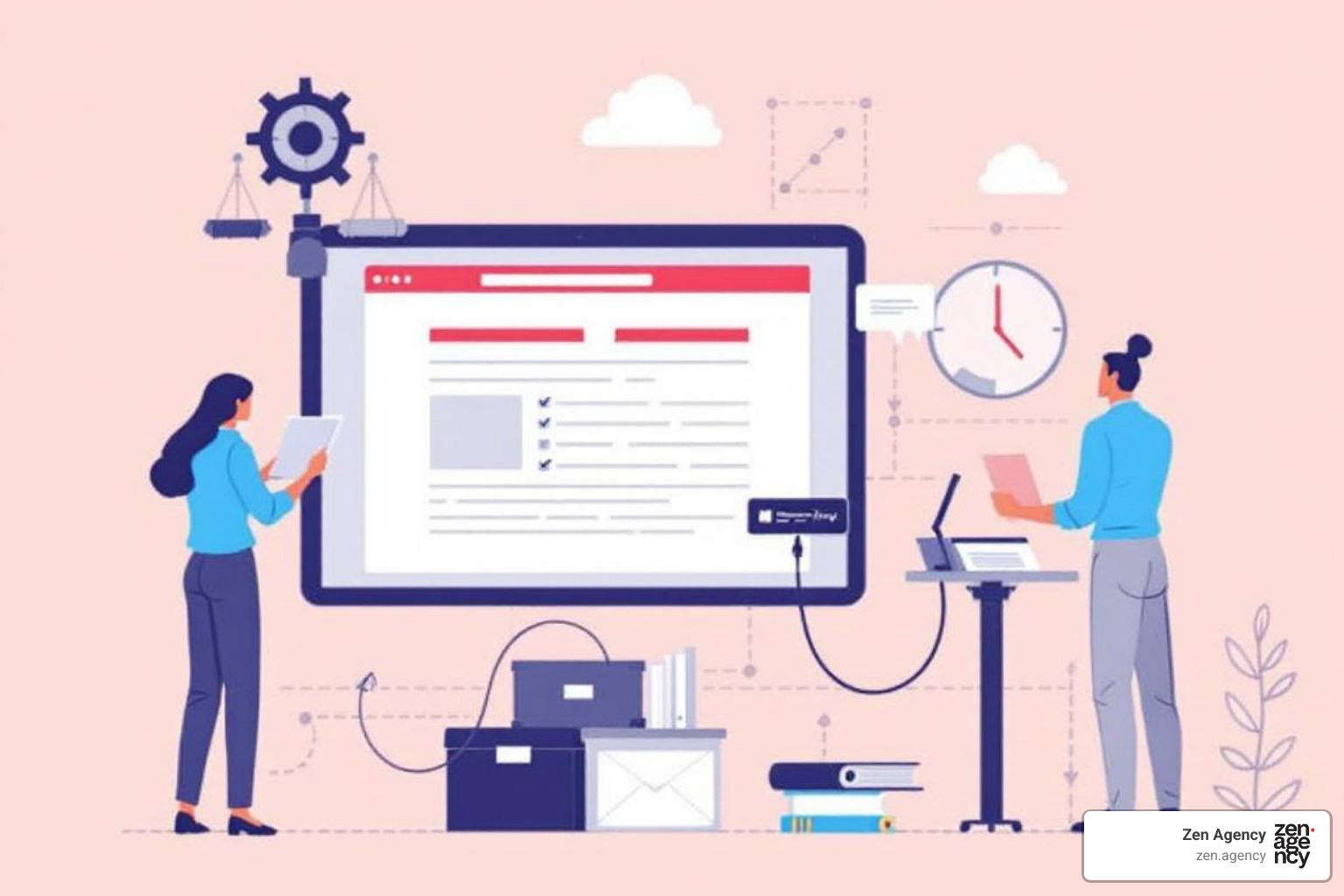
Presenting pricing in a proposal for website development and maintenance doc requires a delicate balance of transparency, value, and flexibility. It’s not just about the number; it’s about how that number is justified and perceived. Our goal is to make the investment clear and compelling, ensuring clients understand the value they receive for every dollar spent.
Choosing Your Pricing Model
We offer various pricing models to suit different client needs and project complexities.
- Fixed-Price Projects: Ideal for well-defined development projects with a clear scope. This provides budget certainty for the client.
- Hourly Rates: Best for projects with evolving requirements or where the scope is less defined initially. This offers flexibility but requires careful tracking.
- Monthly Retainers: The preferred model for ongoing website maintenance, offering consistent support and predictable costs. This is crucial for long-term website health and performance.
- Hybrid Models: A combination of fixed-price for development and a monthly retainer for maintenance often offers the best of both worlds, providing clarity for the initial build and continuous support afterward.
- Bank of Hours: For clients needing ad-hoc support or minor updates, a pre-purchased block of hours can be an efficient solution.
Best Practices for Presenting Your Investment Section
Transparency is paramount. Our “Investment” section breaks down costs clearly, ensuring no hidden fees. We often present tiered packages for maintenance, allowing clients to choose the level of support that best fits their budget and needs.
- Tiered Packages: Offering “Basic,” “Pro,” and “Enterprise” tiers for maintenance services, each with increasing levels of features (e.g., more frequent backups, faster response times, dedicated support).
- Optional Add-ons: Clearly listing additional services like advanced SEO, content creation, or specific integrations as optional extras.
- Clear Cost Breakdown: Itemizing development costs (findy, design, front-end, back-end, SEO, testing) and maintenance services (backups, updates, monitoring).
- Explaining the Value: For each line item, we articulate the benefit. For instance, explaining that “24/7 Monitoring” isn’t just a cost but a safeguard against downtime, protecting potential revenue.
- Payment Schedules: Detailing when payments are due, often with an upfront deposit, milestone payments during development, and monthly billing for maintenance.
By presenting pricing clearly and justifying the investment, we empower clients to make informed decisions and build trust. Use this template for your next proposal.
Common Pitfalls and How to Avoid Them
Even the most experienced agencies can stumble when crafting a proposal for website development and maintenance doc. The path to a killer proposal is often paved by learning from common mistakes. We’ve seen our share of pitfalls, and we’ve learned how to sidestep them to ensure our proposals are always on point.
One of the biggest traps is a vague scope. If the proposal doesn’t clearly define what’s included (and excluded!), you’re inviting scope creep—the gradual expansion of project requirements beyond what was initially agreed. This can lead to unrealistic timelines, budget overruns, and frustrated clients. Similarly, unrealistic timelines or unclear pricing can erode trust before the project even begins. A “one-size-fits-all” approach, ignoring the client’s specific goals and unique business context, is another major misstep. We avoid these by carefully researching client needs and tailoring every aspect of our proposal. As the research points out, a lack of clear objectives or insufficient budget information are common RFP mistakes to avoid.
Tailoring Your Proposal for Different Clients
Just as no two businesses are exactly alike, no two proposals should be identical. We understand that a small business in Wilkes Barre, PA, has very different needs and budgets than an enterprise client in Billings, MT.
- Small Business Needs: For smaller clients, our proposals might focus on budget-friendliness, emphasizing essential features and a simpler, more direct approach. We highlight the immediate ROI and ease of management, perhaps offering more basic maintenance packages. The language is straightforward, avoiding overly technical jargon.
- Enterprise Needs: For larger organizations, scalability, robust security compliance, and seamless integrations with existing systems are paramount. Our proposals for these clients emphasize our ability to handle complex projects, our innovative strategies for increasing ROI, and our comprehensive security protocols. We might detail advanced SLAs, dedicated support teams, and custom development custom to their unique enterprise architecture. Customizing the language to reflect their corporate environment is also key.
Addressing Potential Risks and Challenges
No project is without its challenges. A killer proposal for website development and maintenance doc doesn’t shy away from these; it addresses them head-on. We include sections on:
- Contingency Planning: What happens if there’s an unexpected delay? We outline our approach to managing unforeseen issues and communicate potential impacts.
- Shared Responsibility: Clarifying that successful project completion is a collaborative effort. For example, timely client feedback and content provision are crucial for staying on schedule.
- Proactive Communication: Establishing clear communication channels and regular check-ins to ensure transparency and address concerns promptly. Our proposals often include a dedicated project manager as a single point of contact.
- Defining Out-of-Scope Work: Clearly stating what is not included in the current proposal to prevent future misunderstandings and manage expectations.
- Change Request Process: Outlining a formal process for handling any requests for changes to the project scope, including how they will be evaluated, approved, and potentially impact cost and timeline. This ensures that any deviations are managed systematically and transparently.
By proactively addressing potential challenges, we build a foundation of trust and demonstrate our commitment to a smooth and successful partnership.
Frequently Asked Questions about Website Proposals
We often encounter similar questions from clients when discussing their website needs. Here, we address some of the most common ones to provide clarity and demonstrate our comprehensive approach in every proposal for website development and maintenance doc.
What’s the difference between a website development proposal and a maintenance proposal?
This is a fundamental distinction that clients often need clarified. A website development proposal focuses on the one-time project of building a new website from scratch or undertaking a significant redesign. It has a defined start and end date, with specific milestones leading to the launch of a new or overhauled site. The scope includes design, coding, content integration, and feature implementation.
In contrast, a website maintenance proposal is an ongoing service agreement. Its purpose is to ensure the website’s long-term health, performance, and security after it has been launched. This involves regular updates, backups, security monitoring, performance optimization, and minor content changes. It’s an evergreen service, typically billed as a recurring retainer, designed to keep the website functional, secure, and up-to-date in an changing digital landscape. The most effective proposal for website development and maintenance doc combines both to offer a holistic solution.
How detailed should the scope of work be?
The scope of work in a proposal for website development and maintenance doc should be detailed enough to prevent scope creep but also flexible enough to allow for minor adjustments without derailing the project. We believe in providing a comprehensive outline that clearly lists all inclusions and exclusions.
For development, this means specifying:
- Key Deliverables: Number of pages, custom features, specific integrations.
- Technology Stack: CMS (e.g., WordPress), programming languages, frameworks.
- Design Elements: Number of design concepts, revision rounds, mobile responsiveness.
- Content Responsibilities: Who provides content, who migrates it.
- Testing & QA: Types of testing, browser compatibility.
For maintenance, it should detail:
- Specific Services: Frequency of backups, types of updates (core, plugin, theme), security scans.
- Monitoring: Uptime monitoring, performance checks.
- Support: Response times, methods of contact, limits on minor content edits.
By clearly defining deliverables, technologies, and responsibilities for both parties, we minimize misunderstandings and ensure everyone is aligned on the project’s boundaries.
How do I communicate the security aspects of website maintenance?
Communicating the security aspects of website maintenance is crucial, especially given the rising threat of cyberattacks. We frame it not just as a technical necessity but as protecting the client’s investment, reputation, and customer data. In our proposal for website development and maintenance doc, we detail specific, actionable security measures:
- Regular Malware Scans: Explaining how we proactively scan for and remove malicious code.
- Firewall Management: Describing the implementation and management of web application firewalls (WAFs) to block suspicious traffic.
- Plugin, Theme, and Core Updates: Emphasizing the importance of keeping all software components up-to-date to patch vulnerabilities.
- Secure Backups: Detailing the frequency (e.g., daily) and location (e.g., secure offsite servers) of backups, ensuring quick recovery in case of an incident.
- 24/7 Monitoring: Highlighting constant surveillance for suspicious activity, unauthorized access attempts, and potential outages.
- SSL Certificates: Ensuring secure data transmission with HTTPS.
We explain that these measures create a robust defense, minimizing risks and providing peace of mind. It’s about building a secure fortress around their digital storefront, ensuring their online business in Pennsylvania or Montana remains safe and operational.
Conclusion: From Proposal to Partnership
A well-crafted proposal for website development and maintenance doc is far more than just a sales tool; it’s the blueprint for a successful partnership. It sets clear expectations, outlines deliverables, and establishes the foundation for trust and collaboration. By carefully detailing our approach to both developing a stunning, functional website and ensuring its optimal performance through ongoing maintenance, we demonstrate our commitment to your long-term success.
At Zen Agency, we pride ourselves on providing enterprise-grade solutions and innovative strategies that help struggling-to-scale businesses increase their visibility, profitability, and ROI. Our comprehensive proposals reflect this dedication, showcasing our expertise and our client-centric approach. We believe that every website deserves to be built with precision and maintained with vigilance, ensuring it remains a powerful asset for years to come.
Ready to build a robust online presence and ensure its continuous performance? Let’s turn your vision into a digital reality. Secure your website’s future with our expert maintenance and support services.