Unlocking Your Brand’s Soul: A Deep Dive into Identity Design
Why Your Brand Identity Design Is the Foundation of Business Growth
Brand identity design is the strategic creation of visual and conceptual elements that define your business’s public perception. More than just a logo, it’s the complete system of colors, typography, imagery, and voice that makes your brand recognizable and resonant.
Quick Answer: What is Brand Identity Design?
- Visual Elements: Logo, color palette, typography, imagery, and graphics
- Strategic Foundation: Built on your brand’s purpose, values, and positioning
- Consistent Application: Guidelines that ensure cohesive presentation across all touchpoints
- Business Impact: 86% of small business owners report visual branding is critical to success
- Revenue Driver: 78% of SMBs say visual branding significantly contributes to revenue growth
Like a person’s identity, your brand needs a distinct appearance, voice, and personality to stand out. Without a cohesive brand identity, your business risks being invisible or, worse, forgettable.
In today’s saturated markets, you have seconds to make an impression. A strong brand identity grabs attention, builds trust, and creates the emotional connection that converts browsers into loyal customers.
This guide covers everything from core elements to a strategic process for measurable results. You’ll learn the building blocks of memorable brands and the best practices for professional, revenue-generating design.
I’m Joseph Riviello, CEO and Founder of Zen Agency™, and with over 22 years in digital marketing, I’ve seen countless businesses transform through strategic brand identity design. My experience shows that a lack of a cohesive brand foundation is often why businesses struggle with visibility and ROI, as it’s crucial for signaling credibility.
What is Brand Identity and Why Does It Matter?
At its core, brand identity design is the intentional construction of visual and conceptual elements that shape how your business is perceived. It’s a curated system that reinforces your purpose and values, designed not just for aesthetics but to build trust and drive growth.
In a crowded marketplace, a strong brand identity is essential for differentiation. It prevents your business from blending in with the competition, much like a cover helps a book stand out in a library.
The benefits are tangible: 86% of small business owners report visual branding is critical to success, and 78% say it significantly contributes to revenue. With 91% of customers wanting authentic brands, a well-crafted identity is crucial. It communicates authenticity, builds trust, and fosters long-term loyalty by presenting a competent and approachable face for your business.
To understand more about how this impacts your business, explore our insights on Why Branding Matters: How a Strong Brand Drives Business Growth.
The Core Elements of a Strong Brand Identity
A strong brand identity is a collection of interconnected elements that define how your brand looks, feels, and speaks. The key components of brand identity design include:
- Logo: The most recognizable symbol of your brand.
- Color Palette: A selected range of colors that evoke specific emotions and create consistency.
- Typography: The fonts chosen to represent your brand’s written communications.
- Imagery: The style of photography, illustrations, and graphics that visually tell your brand’s story.
- Brand Voice: The consistent tone and personality of your communications.
These elements, when consistently applied, form the bedrock of a memorable brand. To dig deeper into these crucial components, check out our guide on 5 Must-Have Design Assets Every Business Needs.
Key Considerations for Your Visuals
To ensure your visuals have maximum impact, we follow several key principles:
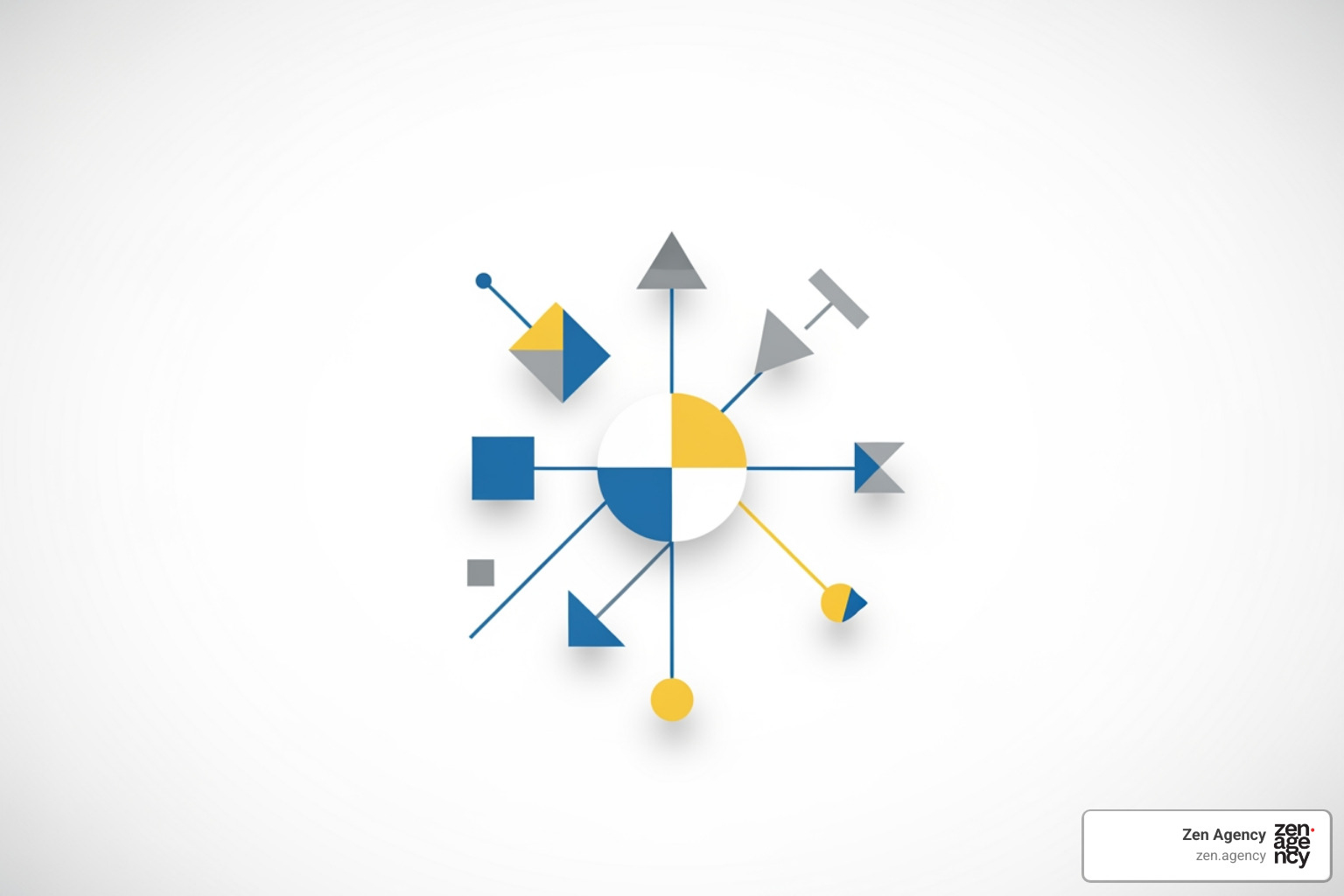
- Consistency: This is paramount. Every touchpoint, from your website in Wilkes Barre, PA, to a business card in Billings, MT, must reflect the same visual language. Consistency builds recognition and trust.
- Memorability: Your brand needs to stick in people’s minds. We create distinctive visuals that are easy to recall. Simplicity is often key to creating a memorable design.
- Scalability: Your brand identity must work everywhere. Whether on a tiny favicon or a large billboard in Scranton, PA, your visual elements must remain clear and impactful.
- Flexibility: While consistent, your brand identity also needs flexibility to adapt to various applications and future growth. A good system allows for variation within a defined framework, keeping your brand fresh.
Understanding how these visual elements shape perception is crucial. Learn more about How Graphic Design Shapes First Impressions of Your Business.
The Building Blocks of a Memorable Brand
This section will detail the individual components that come together to form a cohesive brand identity.
Logo: The Face of Your Brand
Your logo is the face of your brand—a symbol encapsulating its essence and values. An effective logo is more than just aesthetically pleasing; it has several key characteristics:
- Simplicity: Simple logos are easier to recognize, and reproduce across different sizes and mediums.
- Memorability: A memorable logo helps customers recall your brand quickly, fostering recognition and loyalty.
- Versatility: Your logo must work effectively across all applications, from websites to merchandise. We often design in black and white first to ensure the core form is powerful.
- Timelessness: A strong logo endures beyond trends. We aim for classic designs that avoid fads and age gracefully.
- Appropriateness: The logo’s design should align with your industry, personality, and target audience.
For a deeper dive into creating this crucial visual asset, explore More info about our Logo Design Services.
Color Palette: Communicating Emotion
Colors evoke emotion and create immediate brand associations. Choosing the right color palette is a critical step in brand identity design.
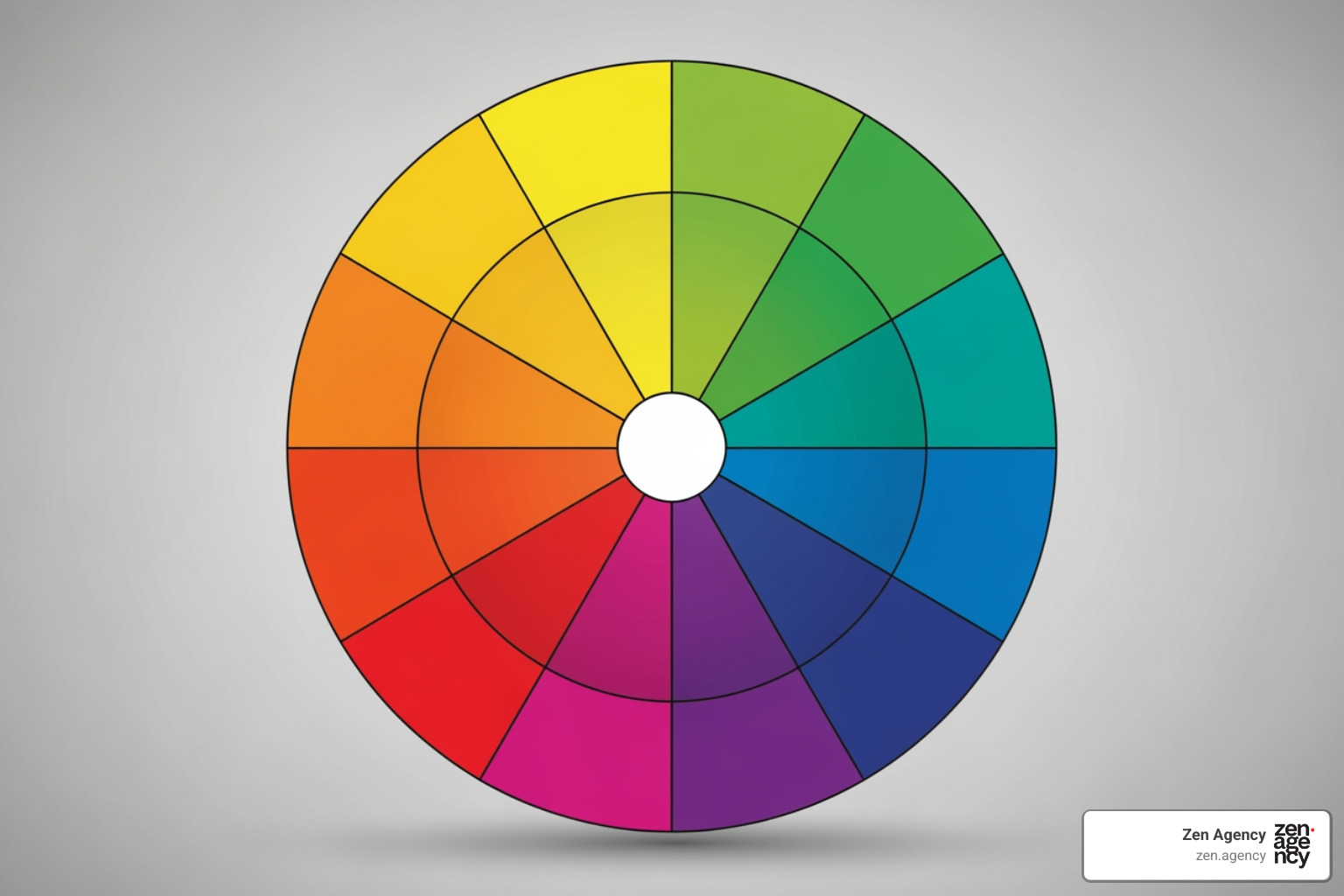
- Color Psychology: Different colors evoke specific emotions. Blue often conveys trust, red can signify passion, and green is associated with growth. We carefully select colors and shades to align with the emotions you want your brand to evoke.
- Cultural Meanings: Color meanings can vary across cultures. For businesses with diverse markets, understanding these nuances is essential to avoid sending unintended messages.
- Contrast and Accessibility: Your color palette must have sufficient contrast between text and backgrounds to ensure readability for everyone. This is an essential accessibility requirement we always check using a tool like this.
To better understand the emotional weight of colors, refer to A guide to color psychology. For more guidance on this vibrant aspect of branding, see How to Choose the Right Colors for Your Brand Identity.
Typography: The Voice of Your Written Word
The typography you choose is your brand’s written voice. It should embody your brand’s character, ensure readability, and create a clear visual hierarchy.
- Font Families: We typically recommend one or two complementary font families that work in harmony with your logo. This provides versatility while maintaining cohesion.
- Readability: Above all, your chosen fonts must be legible across all mediums and sizes. An unreadable font is counterproductive.
- Hierarchy: Typography establishes a visual hierarchy, guiding the reader’s eye. Different font sizes, weights, and styles indicate the importance of information.
- Expressing Personality: Serif fonts often feel traditional and reliable, while sans-serif fonts feel modern and clean. The right choice instantly communicates your brand’s personality.
For an in-depth look at how fonts shape your brand’s message, read The Role of Typography in Branding: Fonts That Speak Your Brand’s Language.
Imagery, Icons, and Graphics
A comprehensive visual language—including photography, illustrations, and icons—extends your brand’s personality and tells its story in dynamic ways.
- Photography Style: Your photography, whether stock or custom, must be consistent with your brand’s energy (e.g., bright and airy, or dark and moody). For service businesses, team photos add a personal touch; for products, lifestyle shots are effective.
- Illustration Systems: Illustrations offer a unique way to tell your brand’s story. Developing a cohesive illustration style ensures these visuals remain on-brand and distinct.
- Iconography: Icons are visual shortcuts that simplify complex ideas. A well-designed icon system is clear, consistent, and instantly recognizable, which is crucial for a professional look.
- Data Visualization: How you present data is part of your identity. Consistent charts and graphs that use your brand’s colors and fonts make complex information feel cohesive.
- Textures and Patterns: Subtle graphic elements like patterns can add depth and personality, reinforcing your brand’s unique character.
By thoughtfully curating these visual elements, we help you build an extended visual language that supports your brand’s overall identity. Find more about How to Build a Cohesive Visual Identity with Graphic Design.
The Strategic Process for Crafting Your Brand Identity Design
This section outlines the systematic, step-by-step approach to developing a powerful brand identity from the ground up.
Building a strong brand identity is a marathon, not a sprint. Our process at Zen Agency ensures that every design decision is rooted in strategy, leading to an identity that truly reflects your brand and supports its growth.
Step 1: Foundational and Market Research
Before any design work begins, we conduct foundational research to understand your brand’s landscape.
- Brand Purpose (the “why”): We help define why your company exists beyond profit. This core purpose—the problem you solve and the unique benefit you offer—informs every subsequent decision.
- Positioning Statement: We craft a concise statement that defines your target customer, your offer, and how you differ from competitors. This is your brand’s elevator pitch.
- Competitor Analysis: We analyze competitors’ brand identities to find their strengths, weaknesses, and common industry trends. This helps us identify opportunities for your brand to stand out.
- Target Audience Personas: We create detailed customer personas, outlining their needs, pain points, and aspirations. Understanding your audience helps us tailor your brand identity to resonate with them.
For beginners, resources like A beginner’s guide to market research can help you get started.
Step 2: Defining Brand Strategy and Personality
Next, we translate research insights into a strategic framework and a distinct brand personality.
- Mission and Vision: Your mission defines your current purpose, while your vision outlines your future aspirations. These statements act as your company’s compass.
- Core Values: Your guiding principles influence how your brand operates and interacts with the world. Authentic brands live their values consistently.
- Brand Voice and Tone: We define your brand’s personality (e.g., witty, authoritative, friendly) to establish a consistent voice for all communications, ensuring every message sounds distinctly you.
- Brand Messaging Pillars: These are the key themes you want to consistently communicate, reinforcing your core value proposition.
Developing a unique and consistent voice is crucial for standing out. Learn more about How to Create a Unique Brand Voice That Stands Out.
Step 3: Creating Comprehensive Brand Guidelines
The final step in brand identity design is compiling everything into comprehensive brand guidelines. This rulebook ensures brand consistency across all internal and external touchpoints.
- Ensuring Consistency: This document dictates how, when, and where to use each brand element, preventing off-brand applications and maintaining a unified look.
- Logo Usage Rules: We specify approved logo versions, minimum sizes, clear space requirements, and acceptable color variations to prevent misuse.
- Color and Font Specifications: The guidelines include precise color codes (Pantone, CMYK, RGB, HEX) and typography rules for hierarchy, sizing, and spacing.
- Imagery Do’s and Don’ts: This section provides direction for photography and illustration styles, with examples of what is on-brand and what to avoid.
- Voice and Tone Guidelines: Beyond visuals, the guide defines your brand’s voice, offering examples of appropriate language and messaging.
Creating these guidelines is essential for maintaining brand integrity as your business grows. For more details on this vital step, check out How to Create a Brand Style Guide for Consistency Across Platforms.
Mastering the Craft: Skills, Tools, and Best Practices
This section provides insights for aspiring designers and businesses on what it takes to excel in creating brand identities.
Best Practices for High-Impact Brand Identity Design
To create a high-impact brand identity that resonates and performs, we adhere to these best practices:
- Simplicity is Key: Less is more. Simple designs are easier to understand and reproduce, preventing a diluted or forgettable message. Clarity and conciseness are paramount.
- Design with Emotion: Successful brands connect with their audience on an emotional level. Your identity should reflect your brand’s personality and resonate with customer aspirations.
- Maintain Consistency: As we’ve emphasized, consistency builds recognition and trust. Every interaction should reinforce the same identity, making your brand feel professional and reliable. Dive deeper into this topic with Why Consistency in Graphic Design Builds Trust.
- Ensure Versatility Across Media: Your brand identity must work seamlessly across all platforms. A design must maintain its impact whether on a business card in Pennsylvania or a digital ad in Montana.
A well-designed brand is purposeful, consistent, and capable of growth. It happens organically but not by accident.
Essential Software for Brand Identity Design
For professional-grade brand identities, mastering the right software is non-negotiable.
- Vector Software (Adobe Illustrator): The workhorse for logos and scalable graphics. Vector designs can be resized infinitely without losing quality, which is crucial for versatility.
- Raster Software (Adobe Photoshop): Essential for editing and manipulating photographic assets to align with your brand’s visual style.
- Layout Software (Adobe InDesign): The industry standard for creating multi-page documents like brand guidelines, brochures, and presentations.
Becoming proficient in design apps like those in Adobe Creative Cloud is a critical step for any brand identity designer.
Becoming a Brand Identity Designer
Becoming a successful brand identity designer requires a mix of education, practical skills, and strategic career building.
- Education and Principles: Build a strong foundation in design principles like color theory, typography, and composition through formal education or self-study.
- Developing Hard Skills: Master essential software like Illustrator, Photoshop, and InDesign. Practice is key.
- Building a Portfolio: Your portfolio is your calling card. Showcase your best work, highlighting your design process and problem-solving skills. Quality over quantity.
- Networking: Connect with other designers and potential clients through industry events and online platforms like LinkedIn.
- Career Opportunities: A career in brand identity design can lead to roles like Graphic Designer, Brand Designer, or Creative Director.
Frequently Asked Questions about Brand Identity Design
We often encounter common questions about the nuances of branding. Let’s clarify some key distinctions.
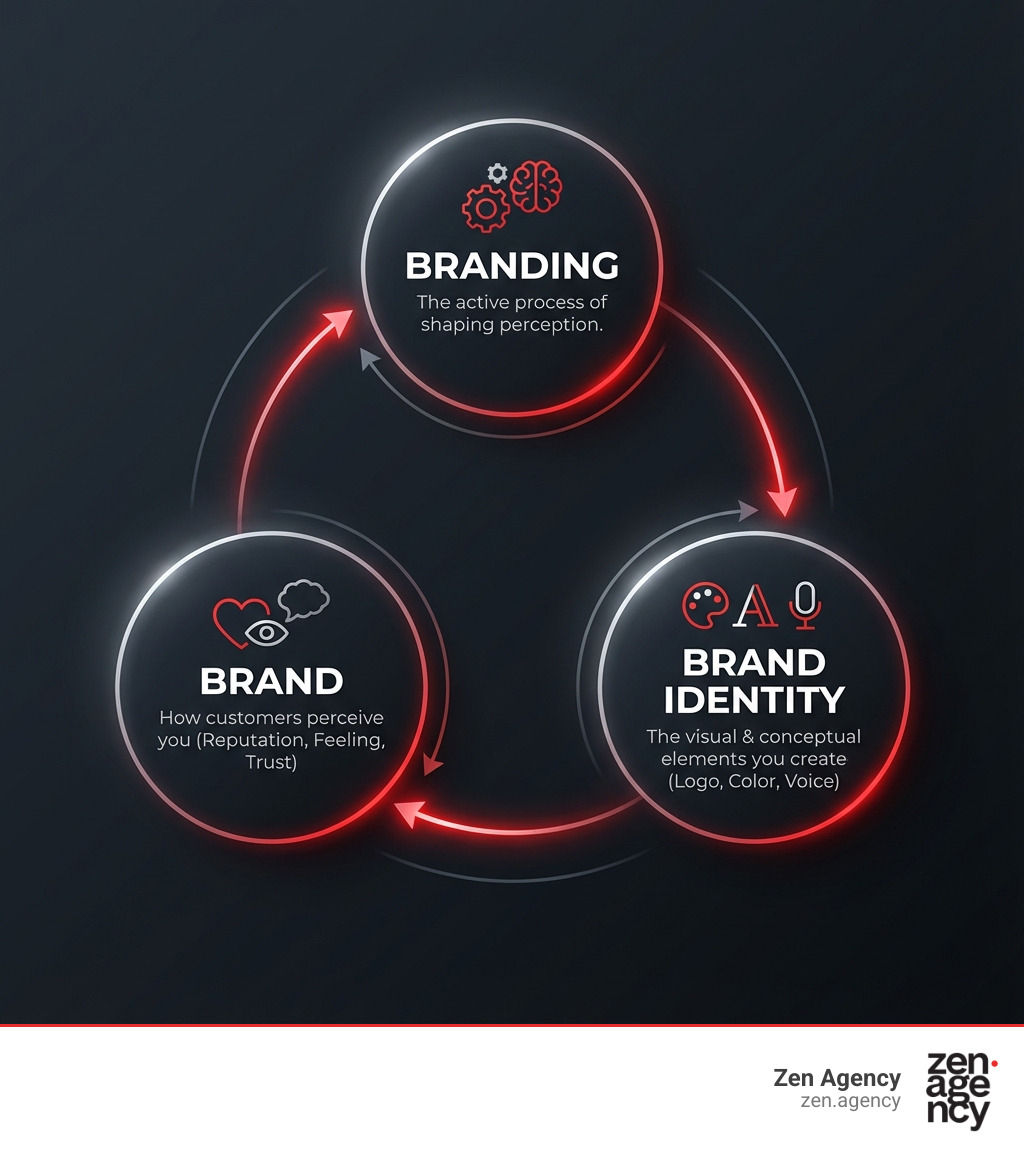
What’s the difference between brand, branding, and brand identity?
These terms are often confused, but they represent distinct concepts:
- Brand: The public’s overall perception of your company. It’s the intangible reputation and feeling you evoke.
- Branding: The active process of shaping that perception through strategic marketing and communication.
- Brand Identity: The tangible elements you create to project a desired image, including your logo, colors, voice, and values.
In short: Your brand is how people feel about you, branding is what you do to influence that feeling, and brand identity is the set of tools you use.
How does brand identity differ from brand image?
This is another common point of confusion:
- Brand Identity: This is the image you try to project. It’s internal and intentional—how you want your brand to be seen.
- Brand Image: This is how the public actually perceives you. It’s external and the result of customer experiences. When your identity is well-executed, your brand image should closely mirror it.
Can I design my own brand identity?
While a DIY approach to brand identity design using online tools can work for very small projects, businesses aiming for growth and differentiation should seek professional help. A professional designer or agency provides:
- Strategic Insight: They go beyond aesthetics to conduct research and position your brand effectively.
- Experience and Expertise: They understand design principles, psychology, and how to create a cohesive system.
- Scalability and Flexibility: They build an identity that grows with your business.
- Technical Skill: They create high-quality, versatile assets using industry-standard software.
- Objectivity: An outside perspective helps create an identity that resonates with your target audience, not just internal biases.
Building a robust, scalable brand identity system requires the specialized knowledge that professional agencies, like ours in Wilkes Barre and Scranton, PA, provide.
Conclusion
Brand identity design is a strategic imperative for business success. A systematic process—from research and strategy to creating visual elements like your logo, colors, and typography—builds a recognizable and trustworthy brand. This strategic approach fosters loyalty, drives revenue, and ensures you stand out.
A strong brand identity is a powerful asset built on authenticity and consistency, which will remain crucial for the future of branding. You can explore more about The Future of Branding: Trends Shaping the Industry in 2025 and Beyond.
At Zen Agency, we provide enterprise-grade solutions to help businesses in Wilkes Barre, Scranton, Wyoming PA, and Billings MT increase their visibility and ROI. We understand that a cohesive, professional brand foundation is the bedrock of success.
Ready to build an identity that drives growth and truly opens up your brand’s soul? Explore our Branding & Graphic Design Services. We’re here to help you craft a brand identity that not only looks great but performs even better.