The Modern Buyer Field Guide to Brand Design Firms
How to Choose the Right Brand Design Firm
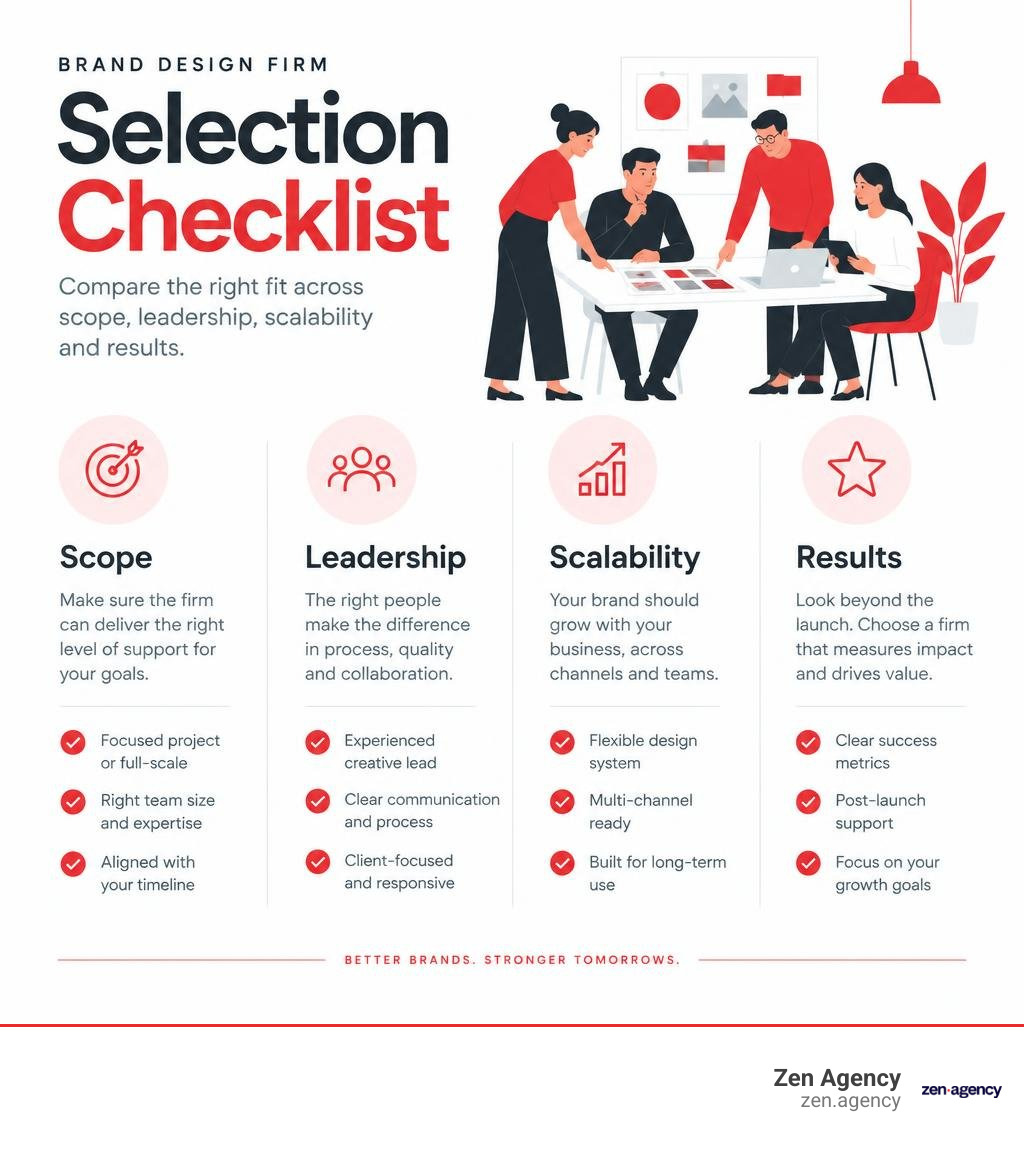
Choose a brand design firm by the work you need done, not by its portfolio alone. A boutique studio may suit a focused rebrand with close creative oversight. A large consultancy may be a better fit for complex work across many teams and channels. A digital-first studio may help when your brand needs to move across websites, social media, and other fast-changing spaces.
Ask each firm who will lead the work, how its design system will scale, and what it will measure after launch. Strong work should be easy to recognize and useful to your team long after the project ends. For a broader view of how agencies structure their offerings, see The Complete Guide to Comparing Branding Service Providers.
I’m Joseph Riviello, founder of Zen Agency. Over 22 years in digital marketing, I’ve worked on the growth goals that lead companies to evaluate brand design firms, from visibility to conversions and revenue.
Similar topics to brand design firms:
Evaluating the 3 Core Models of Brand Design Firms
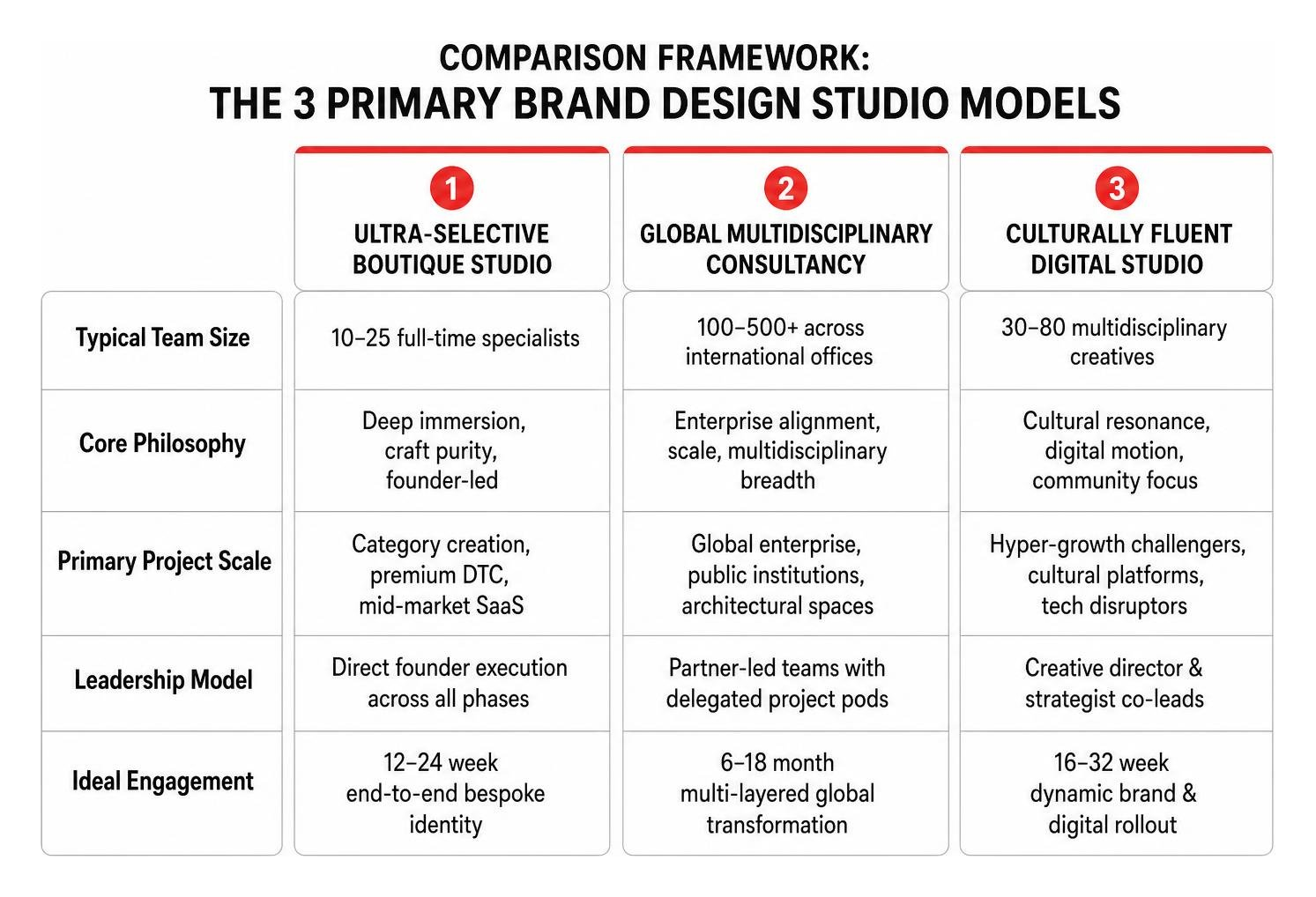
Choosing a creative partner can feel overwhelming because different studios solve completely different problems. When evaluating agencies, understanding their operating model helps you determine if their team structure matches your operational reality. For a broader look at service structures, review The Complete Guide to Comparing Branding Service Providers to see how different agencies structure their offerings.
| Feature / Model | Ultra-Selective Boutique Studio | Global Multidisciplinary Consultancy | Culturally Fluent Digital Studio |
|---|---|---|---|
| Typical Team Size | 10–25 full-time specialists | 100–500+ across international offices | 30–80 multidisciplinary creatives |
| Core Philosophy | Deep immersion, craft purity, founder-led | Enterprise alignment, scale, multidisciplinary breadth | Cultural resonance, digital motion, community focus |
| Primary Project Scale | Category creation, premium DTC, mid-market SaaS | Global enterprise, public institutions, architectural spaces | Hyper-growth challengers, cultural platforms, tech disruptors |
| Leadership Model | Direct founder execution across all phases | Partner-led teams with delegated project pods | Creative director & strategist co-leads |
| Ideal Engagement | 12–24 week end-to-end bespoke identity | 6–18 month multi-layered global transformation | 16–32 week dynamic brand & digital rollout |
The Ultra-Selective Boutique Studio
Boutique studios operate on intentional scarcity. These 10-to-25-person teams prioritize depth of craft over volume, often accepting only a handful of clients each quarter.
- Curated intake: Elite boutiques routinely reject a substantial majority of inbound briefs to protect team bandwidth and creative integrity.
- Founder-led execution: When you hire an ultra-focused studio, the named founders actively participate in research, conceptualization, and asset creation rather than handing off deliverables to junior staff.
- Category creation: This setup excels for emerging direct-to-consumer (DTC) brands and innovative B2B platforms seeking an unmistakable category-of-one positioning.
The Global Multidisciplinary Consultancy
Global consultancies are structured to solve complex, multi-touchpoint organizational challenges. These firms bring decades of institutional knowledge and operate through partner-led structures where each partner functions as an independent creative director backed by global resources.
- Cross-disciplinary practice: They seamlessly bridge industrial product design, architecture, interior wayfinding, packaging, and digital interfaces.
- Enterprise scale: Built to navigate global stakeholder politics, complex brand architectures, and international regulatory rollouts.
- Heritage stewardship: These agencies excel at modernizing legacy institutions—such as historical museums or presidential centers—while preserving decades of built-in brand equity.
The Culturally Fluent Digital Studio
Digital-first creative studios represent the modern vanguard of brand building. These agencies bridge graphic design, social commentary, dynamic motion, and interactive technology.
- Cultural currency: They view brand development through the lens of community conversation, subcultures, and internet behavior rather than rigid visual standards.
- Dynamic design systems: Identities are built for screens first, featuring expressive typography, interactive microsites, generative graphics, and custom motion behaviors.
- High-growth challengers: Perfect for venture-backed disruptors, entertainment platforms, and consumer apps that need to capture immediate market attention and scale across modern digital touchpoints.
Strategic Pillars: What Separates Market Leaders from Commodity Agencies
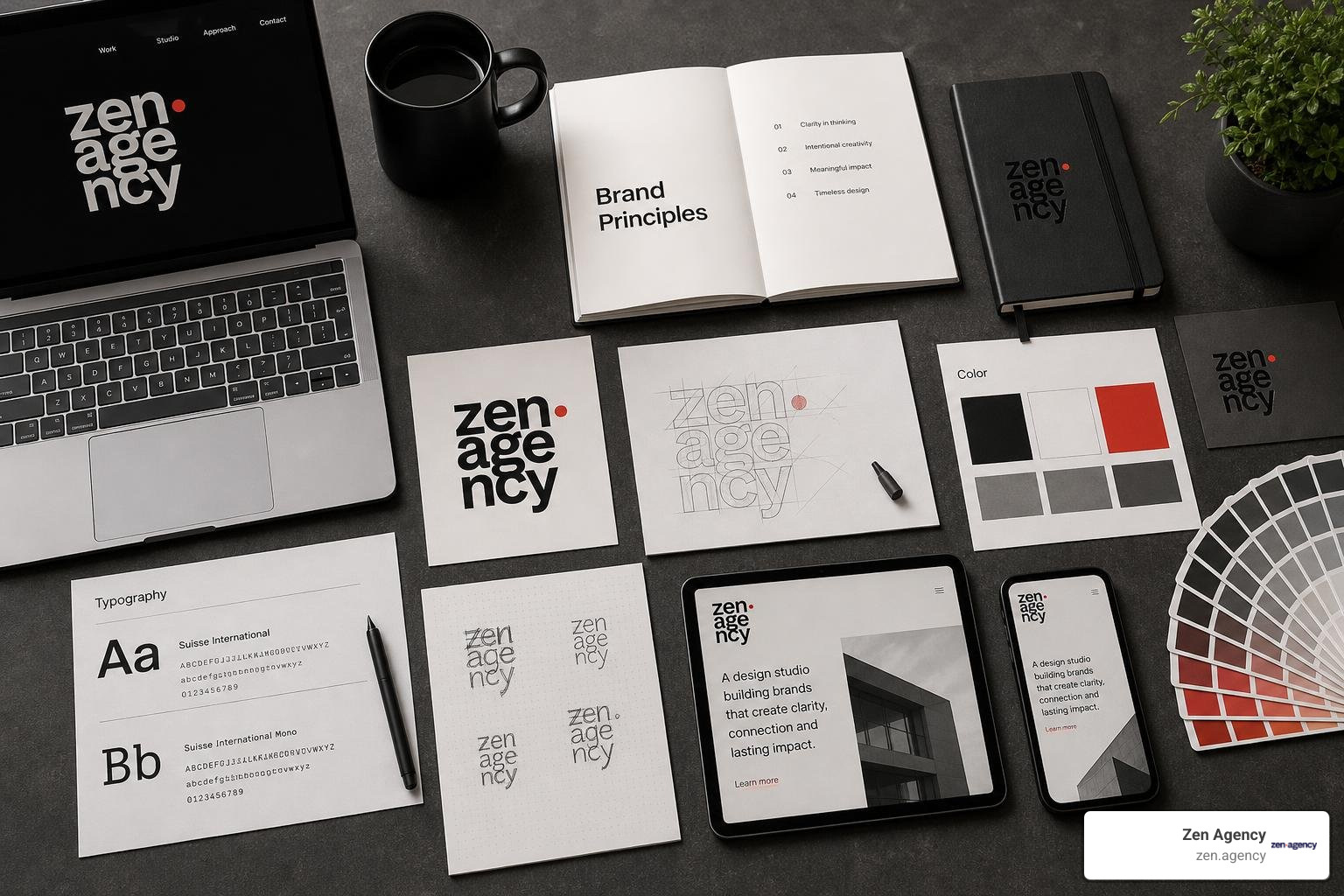
Commodity design shops treat branding as a styling exercise—a quick logo, a color palette, and a typography sheet. Market leaders, by contrast, treat brand building as a strategic business asset. Knowing how to develop a brand strategy that drives business success ensures your creative identity is anchored in market data and long-term foresight.
How Elite Brand Design Firms Balance Distinctiveness with Scalable Systems
A classic challenge in branding is the tension between being distinct and being practical. An identity that is too unconventional may be hard to use across everyday collateral. An identity that is too safe risks blending into the background.
To solve this, leading agencies balance bold expression with functional consistency:
- Anchoring in Core Principles: Instead of creating restrictive rulebooks, firms develop an overarching brand identity design system anchored by a distinct visual hook—such as a proprietary typeface, a signature grid system, or an expressive illustration language.
- Engineering Design Tokens: Brand guidelines are increasingly delivered as living design systems. These tokens allow internal design and engineering teams to deploy consistent assets across web applications, marketing pages, and mobile platforms.
- Tiered Visual Elasticity: Top studios build flexibility into the visual identity. The system can dial up expressive visual energy for launch campaigns or festival activations, while keeping core transactional screens clean and functional.
By establishing scalable foundational rules, businesses avoid brand drift while ensuring their creative expression remains recognizable across all customer touchpoints. For step-by-step guidance on creating a lasting presence, explore The Ultimate Guide to Building a Memorable Brand Identity.
Founder Involvement and Creative Leadership Across Brand Design Firms
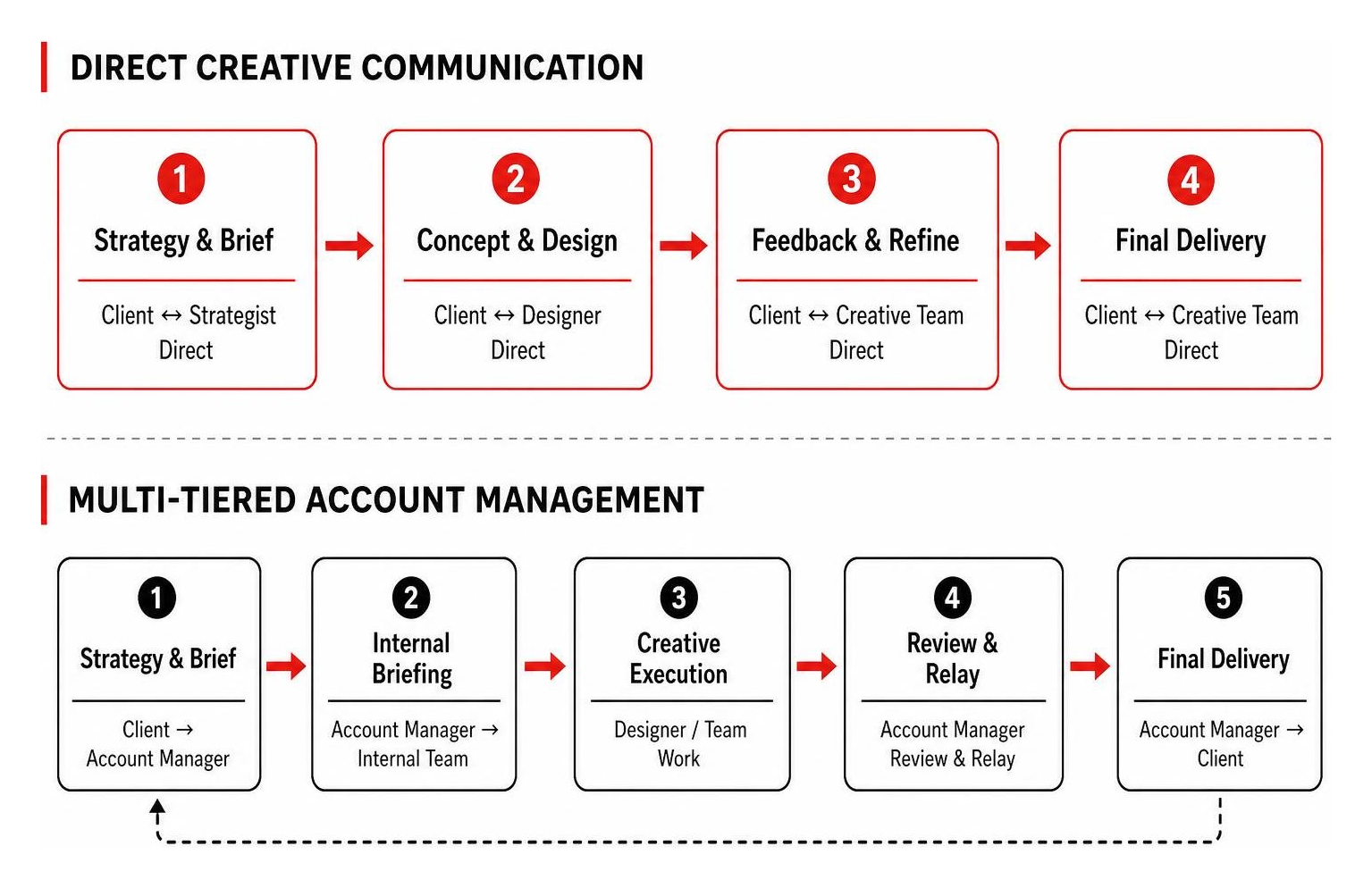
The internal structure of your agency partner directly shapes your project experience. In traditional agency models, a senior pitch team wins the business and hands the execution down to mid-level designers and account managers.
In top-tier modern studios, account managers are often replaced by direct strategist-to-client and designer-to-client communication lines. Partner-level leadership ensures strategic decisions are executed precisely. When evaluating creative leadership, reading The Ultimate Guide to Hiring a Branding Graphic Designer can help clarify which talent tiers you need on your team.
Integrating Generative AI and Interactive Data Without Diluting Soul
As artificial intelligence and real-time data visualizers become standard creative tools, top brand design firms integrate these tools thoughtfully into their workflows. Staying current on The Future of Branding: Trends Shaping the Industry in 2025 and Beyond highlights how automation supports, rather than replaces, human creativity.
- Rapid Concept Prototyping: Studios use generative AI during exploratory phases to build expansive moodboards and test visual concepts rapidly.
- Data Humanism: Agencies turn complex data into compelling visual stories, using custom charts and interactive murals to make intricate subjects intuitive.
- Safeguarding Creative Soul: While technology speeds up exploration, elite firms maintain distinct artistic perspectives through bespoke typography, human-led storytelling, and hand-crafted layouts.
Measuring True Branding Impact: Commercial ROI, Culture, and Longevity
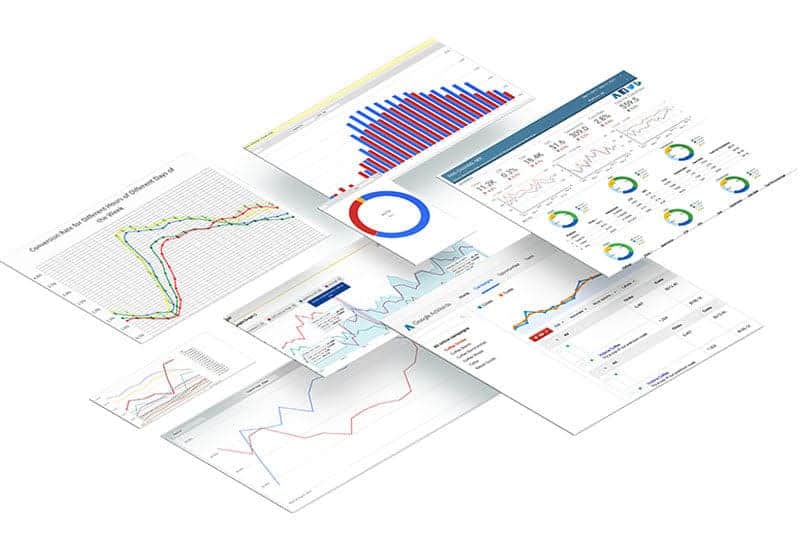
Branding should deliver measurable business impact. A well-crafted identity lowers customer acquisition costs, commands premium pricing, and shortens sales cycles. Understanding why branding matters and how a strong brand drives business growth helps bridge the gap between creative investment and bottom-line revenue.
Elite studios evaluate their work across three distinct dimensions:
- Commercial Performance: Tracking twelve-month post-launch metrics—such as inbound organic growth, conversion lift, and customer retention—helps confirm clear business returns. Investing in strategic design avoids the hidden costs of bad branding, protecting your team from the expense of continuous, corrective redesigns.
- Cultural Resonance: Leading work generates authentic social conversations, earns community adoption, and secures organic media attention without relying solely on paid ad spend.
- Industry Accolades: High-profile peer recognition from organizations like D&AD, Tokyo TDC, and The One Show serves as an objective signal of craft and innovative execution.
The Buyer’s Decision Framework: Selecting Your Strategic Partner
Finding the right creative partner requires an objective evaluation process:
- Define the Scope and Core Constraints: Determine whether your project requires a focused brand reset or an enterprise-wide brand architecture overhaul.
- Evaluate Portfolio Range: Look beyond surface aesthetic polish. Review how the agency handles brand architecture, typographic systems, and complex cross-channel applications.
- Confirm the Working Team: Clarify exactly who will handle the day-to-day strategy, copywriting, and visual execution.
- Assess System Usability: Ensure the studio delivers functional, modern handoff assets—such as Figma component libraries and design tokens—rather than static PDF brand books.
- Review Strategic Foresight: Choose a partner that conducts forward-looking industry research to help your brand stay relevant for years to come.
Frequently Asked Questions about Brand Design Agencies
What is the typical ROI timeline after a comprehensive rebrand?
Most organizations observe initial brand performance shifts within 3 to 6 months post-launch, primarily reflected in improved marketing click-through rates, inbound inquiry quality, and public engagement. Comprehensive commercial ROI—including lower customer acquisition costs, pricing power improvements, and market share growth—is typically measured 12 to 18 months post-launch.
Why do selective branding studios turn down client briefs?
High-performing boutique studios deliberately restrict their active client roster to maintain senior-level creative immersion. If an agency accepts every brief, partner time becomes fragmented, account layers are added, and creative output standardizes. Turning down projects outside their strategic focus helps ensure every active client receives dedicated creative attention.
How do small studios compare to global multidisciplinary agencies for enterprise work?
Small studios provide agility, direct partner collaboration, and distinct visual craft, making them ideal for high-growth challengers and focused brand reinventions. Global agencies excel at orchestrating complex, multi-stakeholder enterprise transformations spanning architectural wayfinding, packaging logistics, and international brand governance across several territories.
Conclusion
Choosing the right partner transforms your brand from a basic visual identity into an enduring strategic asset. Whether you need an agile boutique, an enterprise consultancy, or a dynamic digital studio, success comes from aligning your organization’s goals with the firm’s core operational model.
At Zen Agency, we build comprehensive digital marketing, custom website development, and branding graphic design services that help growing businesses stand out and drive long-term ROI. We are ready to help you plan your next phase of brand growth. Reach out to our team today to begin the conversation.