The Ins and Outs of Choosing a Logo Design Company
How to Choose a Logo Design Company That Supports Growth
Choose a logo design company that learns your business goals before drawing concepts. Look for relevant work, a clear revision process, and final files you can use on your website, in print, and across social media. Before signing, ask who owns the finished design and how the company checks that it does not resemble an existing trademark.
A strong logo helps people recognize your business and sets a consistent look for your marketing. But the mark alone cannot fix weak messaging or poor results; it needs to fit the brand behind it.
I’m Joseph Riviello, founder and CEO of Zen Agency, with more than 22 years of leadership in digital marketing. That experience shapes the questions I ask of a logo design company, from how it learns a brand to how its work supports business goals over time.
Key Attributes of an Industry-Leading Logo Design Company
Selecting the right partner to shape your brand mark is one of the most critical foundational decisions you will make. A great visual symbol goes beyond mere aesthetics; it builds brand equity, drives visual recognition, and leaves an unforgettable first impression. Over 70% of consumers report that a logo directly impacts their perception of a company’s credibility.
When vetting creative teams, you must look beyond surface-level graphic design skills. True brand partners balance deep strategic positioning with exceptional craft. Mastering the art of bespoke logo design for modern businesses requires studying audience behaviors, market landscapes, and long-term business trajectories.
Industry-leading teams possess several vital attributes:
- Strategic Depth: They begin with commercial objectives rather than jumping straight into illustration software.
- Diverse Portfolio: Their past work showcases adaptable visual solutions across varied industries, proving they do not rely on repetitive templates.
- Transparent Workflows: They provide structured timelines, clear feedback cycles, and comprehensive asset deliverables.
- Full Legal Transfer: They guarantee complete copyright transfer and assist with initial clearance checks.
Strategic Brand Discovery and Positioning
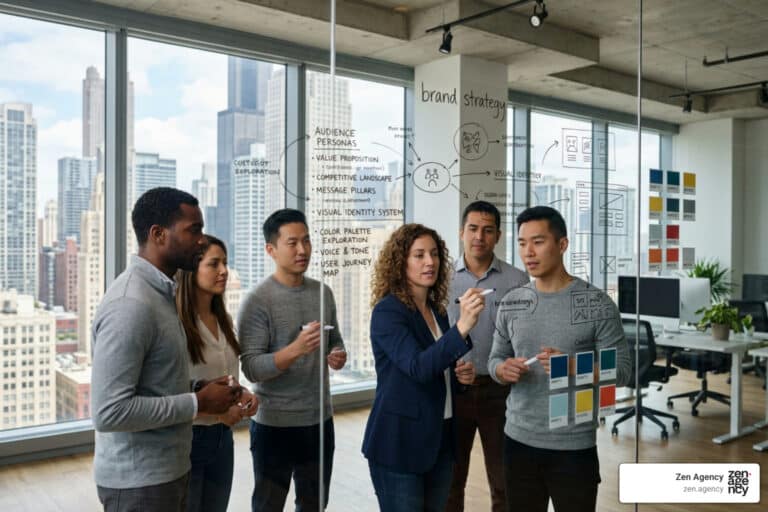
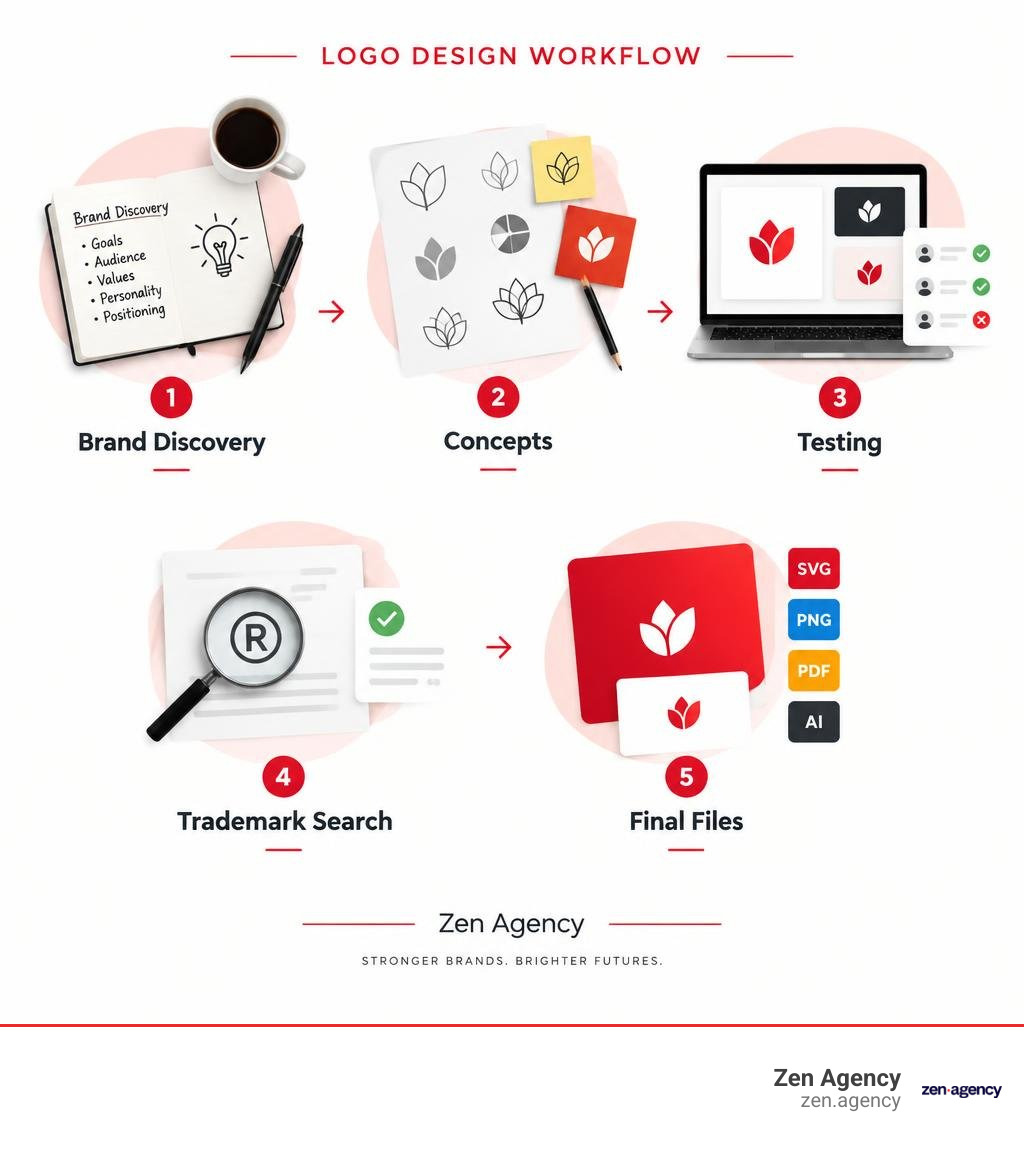
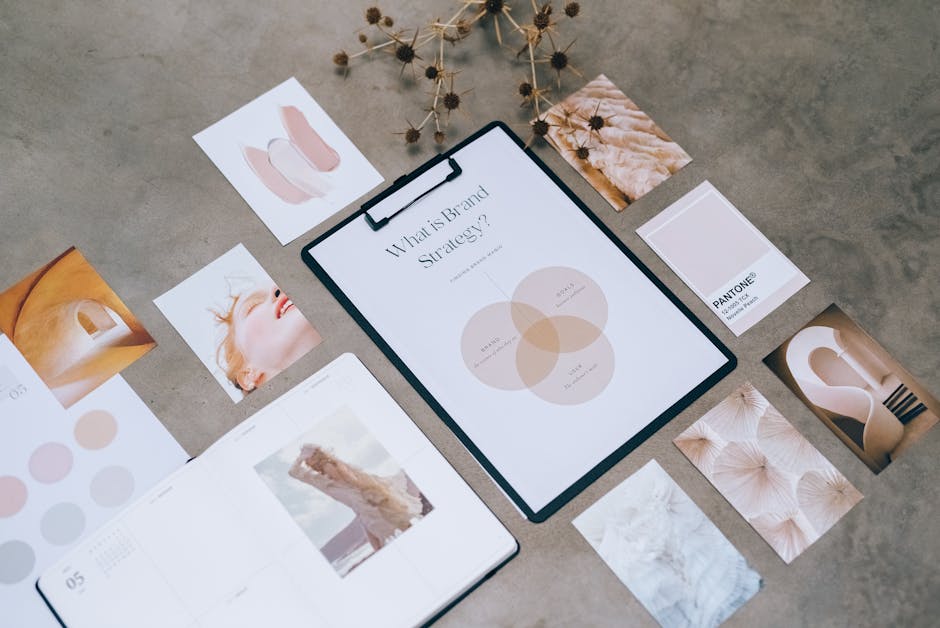
A logo cannot succeed in isolation. Before any sketching begins, a reputable team conducts thorough discovery to extract your core mission, value propositions, and customer personas. Exploring why your business logo needs a professional touch highlights how strategic alignment transforms a simple visual mark into an engine for long-term customer trust and market differentiation.
During this phase, designers evaluate your competitive landscape. They identify overused industry tropes, uncovering visual white space where your business can stand out distinctly.
Cross-Platform Adaptability and Vector Deliverables
In modern business environments, your logo must perform seamlessly across countless physical and digital touchpoints. It needs to look as sharp on an oversized billboard as it does within a tiny 16-pixel browser favicon or an embroidered uniform sleeve.
Professional agencies build identities using mathematical vector formats (such as SVG, EPS, and vector PDF). Unlike raster graphics (like standard JPEG or PNG files) that pixelate when scaled, vectors scale infinitely without losing crispness. A comprehensive deliverable package should always include:
- Master vector files (EPS, SVG, Adobe Illustrator) for commercial print and digital manipulation
- High-resolution transparent PNG files for presentations, web layouts, and social media overlays
- Monochrome (pure black) and reversed (pure white) variations for single-color printing and dark backgrounds
- Favicons, app icons, and horizontal/stacked lockup alternatives
Core Elements That Define an Iconic Brand Mark
Iconic logos share timeless qualities that allow them to endure shifting market trends. Reviewing the ultimate guide to what makes a great logo design principles reveals that visual balance, intentional white space, and clear hierarchy make a mark instantly memorable.
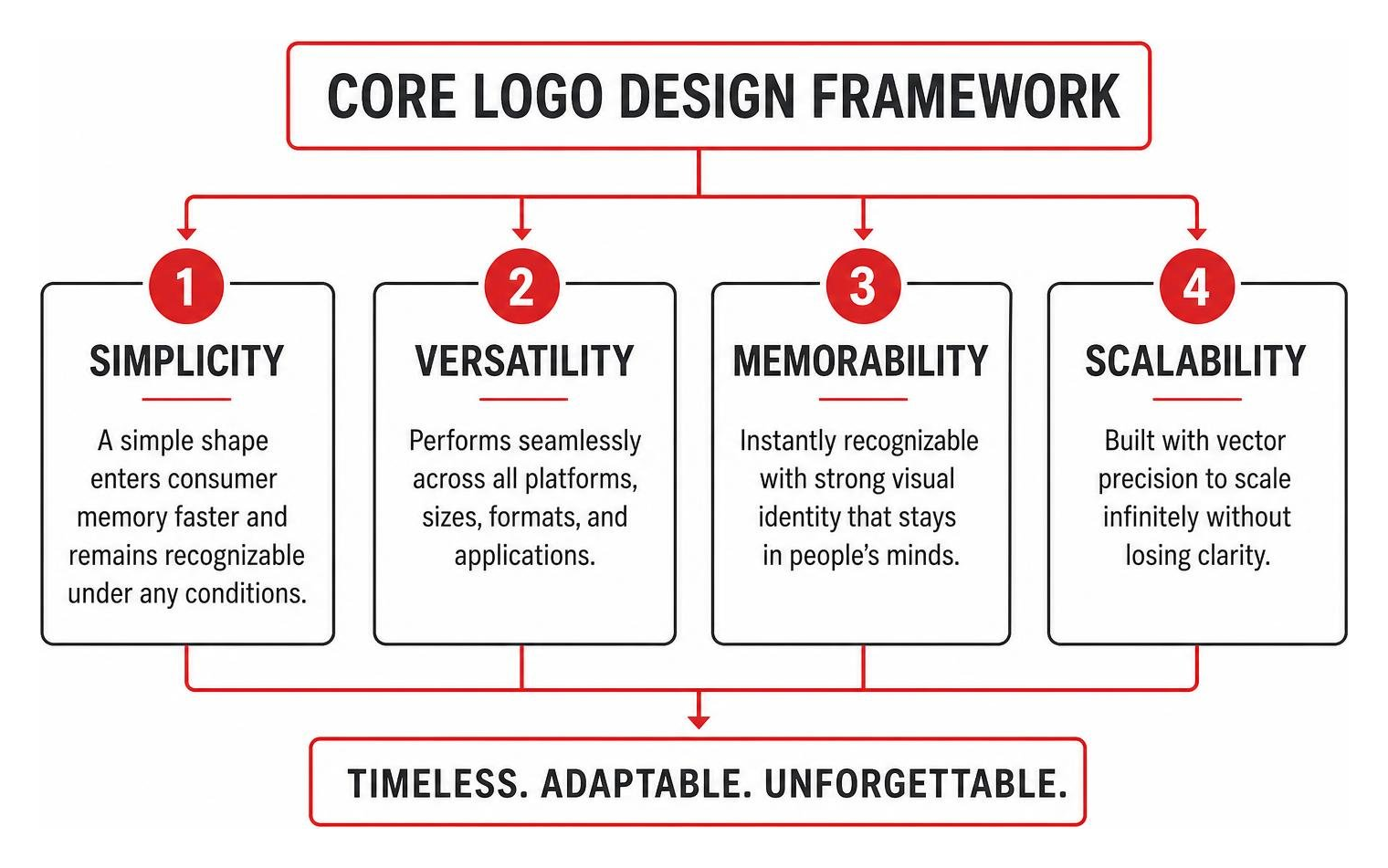
The most successful brand marks worldwide focus on extreme simplicity. A simple shape enters consumer memory faster and remains recognizable under poor lighting, rapid scrolling, or minimal sizing.
Typography Selection and Color Psychology
Every typographic choice and chromatic tone communicates subconscious emotional signals. Utilizing practical tips for logo design that won’t make your eyes bleed ensures your typography remains highly legible while reinforcing your unique brand voice.
- Serif Typefaces: Convey tradition, stability, authority, and formal elegance.
- Sans-Serif Typefaces: Signal modern innovation, clarity, approachable simplicity, and digital agility.
- Monospaced or Geometric Fonts: Suggest technical precision, code architecture, and engineering discipline.
- Custom Lettering: Delivers distinctive personality unmatched by off-the-shelf fonts.
Color psychology plays an equally profound role. Blue establishes security and trust, green represents vitality and growth, while high-contrast black and white exudes refined luxury. Research indicates that using a disciplined, limited palette—often just two core colors—makes an identity up to 33% more memorable.
Originality and Intellectual Property Clearance
A visually stunning logo is worthless if it infringes upon another entity’s trademark. Generic templates and unvetted stock graphics leave your organization vulnerable to expensive rebranding demands and legal disputes.
When structuring a visual identity, teams must ensure complete uniqueness. Exploring government resources on Creating your brand identity provides helpful context on the federal trademark process. Professional agencies conduct preliminary searches using tools like the USPTO Trademark Electronic Search System (TESS) to confirm your symbol and name combination does not create marketplace confusion.
Planning a Logo Design Project
Careful planning keeps your branding project on schedule and aligned with budget expectations. Whether you are learning how to design your first iconic logo from scratch without getting stuck or orchestrating an enterprise-wide rebrand, establishing clear milestones prevents scope creep.
| Project Stage | Typical Timeline | Key Deliverables | Strategic Focus |
|---|---|---|---|
| Discovery & Research | 1 to 2 Weeks | Creative brief, competitor audit, moodboards | Aligning brand values and market positioning |
| Concept Development | 2 to 3 Weeks | 3–5 initial vector concepts with context mockups | Exploring distinct visual directions and shapes |
| Refinement & Polish | 1 to 2 Weeks | Revised typography, color adjustments, lockups | Perfecting geometric balance and legibility |
| Asset Finalization | 1 Week | Vector packages, color codes, brand style guide | Preparing multi-platform production deliverables |
When to Hire a Full-Service Logo Design Company
While free online makers and automated generators can provide temporary placeholders for micro-budget hobbies, scaling commercial organizations require deeper expertise. Studying why these branding and logo design companies are killing it illustrates how comprehensive brand governance, custom icon design, and coordinated digital marketing assets fuel measurable revenue growth.
Full-service agencies support your long-term success by integrating your new logo directly into enterprise websites, e-commerce storefronts, sales collateral, and digital advertising campaigns.
Planning Efficient Concept Prototyping
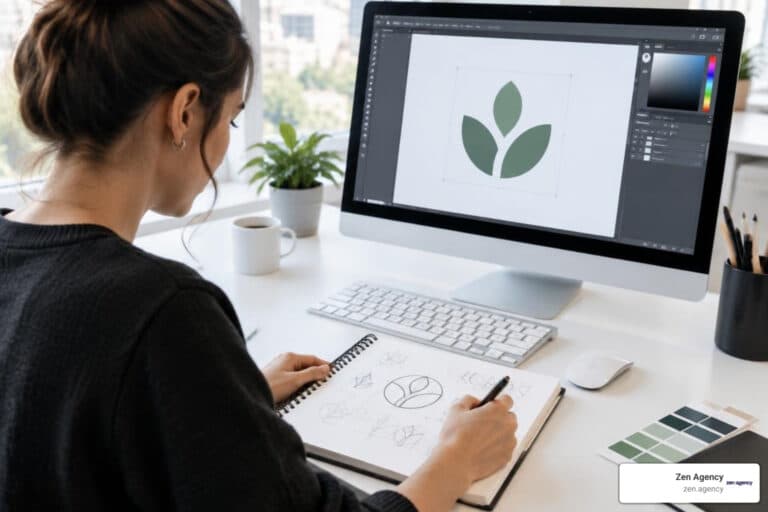
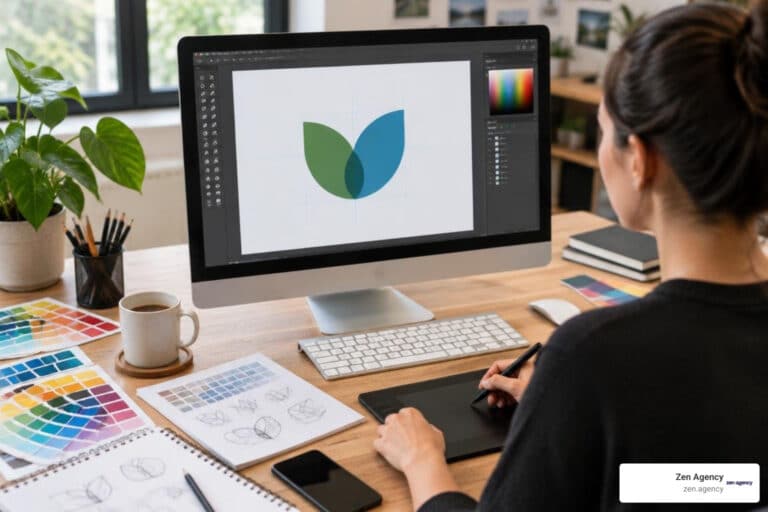
Concept development thrives on collaborative visual exploration. Before locking in final curves, designers create moodboards and rapid pencil sketches to explore thematic directions.
By testing ideas early through rough mockups—such as digital screen previews, embroidered apparel, vehicle wraps, and print packaging—the creative team verifies real-world impact before finalizing vector artwork.
A Step-by-Step Vetting Framework for Business Leaders
Finding the right creative team requires evaluating strategic capability alongside design aesthetics. Reviewing how logo design services can help you to find reliable logo designers can help you structure your discovery calls effectively.

- Review Portfolio Depth: Look for case studies that explain the business challenges behind the designs, not just polished final pictures.
- Examine Process Structure: Ensure they follow clear phases: research, concept generation, client feedback rounds, and technical delivery.
- Verify Deliverable Formats: Confirm you will receive all universal vector formats, full copyright ownership, and color specifications (CMYK, RGB, Pantone, and HEX codes).
- Evaluate Communication: Choose a team that asks challenging, thoughtful questions about your revenue models, customer journey, and long-term targets.
Key Questions to Ask a Logo Design Company Before Signing
Before formalizing an agreement, ask targeted questions to avoid misunderstandings during design revisions. Understanding a logo design expert hunt: why good branding is worth every single penny ensures you receive maximum return on your creative investment.
- What is your structured discovery process?
- How many distinct visual directions will you present initially?
- How many rounds of revisions are included in the scope?
- Do you provide comprehensive brand guidelines covering typography, color rules, and minimum sizing?
- Will our company receive complete, unencumbered intellectual property ownership upon final payment?
Tracking Brand Equity and Long-Term Effectiveness
A successful identity proves its value over years of operation. To evaluate your mark’s performance, monitor:
- Brand Recall: Conduct surveys to measure how quickly target audiences remember your name and visual symbol.
- Conversion Consistency: Monitor digital marketing conversion rates and engagement across redesigned landing pages.
- Stakeholder Pride: Gauge how confidently your sales team uses new presentation decks, proposals, and marketing materials.
- Visual Longevity: Assess whether the mark feels modern and relevant five to ten years after launch without needing major overhauls.
Frequently Asked Questions About Business Logo Design
What is the typical turnaround time for a custom corporate identity?
A thorough, professionally executed brand identity project generally requires 4 to 8 weeks. This timeline allows adequate space for in-depth competitor discovery, concept generation, stakeholder feedback, typographic fine-tuning, and preparing production-ready asset packages.
Why should small businesses invest in a custom logo?
A custom logo establishes immediate professionalism and sets you apart from competitors using generic clip art or automated templates. It ensures complete legal exclusivity, allows for federal trademark registration, and builds the customer trust necessary to justify premium pricing.
How do vector files ensure multi-medium design versatility?
Vector files rely on mathematical coordinates rather than fixed pixel grids. This allows graphics to scale infinitely without blurring or degradation. Vectors are mandatory for large-scale signage, precision embroidery, vehicle wraps, and high-resolution digital interfaces.
Conclusion
Your logo serves as the visual cornerstone of your enterprise. It anchors customer perceptions, drives digital engagement, and communicates your values across every customer touchpoint.
At Zen Agency, we have spent over 18 years helping ambitious businesses scale through enterprise-grade digital marketing, web development, and strategic branding solutions. Discover the power of logo design: what makes a great logo and partner with our seasoned creative strategists to build a lasting visual identity that drives real business growth.