
Why Your Business Needs Both Graphic and Brand Design
What Is Graphic and Brand Design — and Why Does It Matter for Your Business?
Graphic and brand design are two related but distinct disciplines that work together to shape how your business looks, feels, and is remembered.
Here’s a quick breakdown:
| Term | What It Means |
|---|---|
| Graphic Design | Creating visual assets — logos, layouts, social graphics, ads |
| Brand Design | Building a strategic visual identity that represents who you are |
| Together | A cohesive system that drives recognition, trust, and growth |
The difference matters. Graphic design without brand strategy produces pretty visuals that don’t connect. Brand strategy without strong graphic design stays invisible.
The numbers back this up:
- Consistent branding can increase revenue by up to 23%
- Customers are 70% more likely to buy from a brand they recognize
- It takes just 0.05 seconds for someone to form an opinion about your website
If your business is struggling to stand out, convert visitors, or earn customer trust, the root cause is often a gap between your visual output and your brand strategy.
I’m Joseph Riviello, CEO and Founder of Zen Agency, and over my 22+ years in digital marketing I’ve seen how businesses transform when graphic and brand design work in sync — and how they stall when they don’t. In the sections below, we’ll break down exactly how to close that gap.
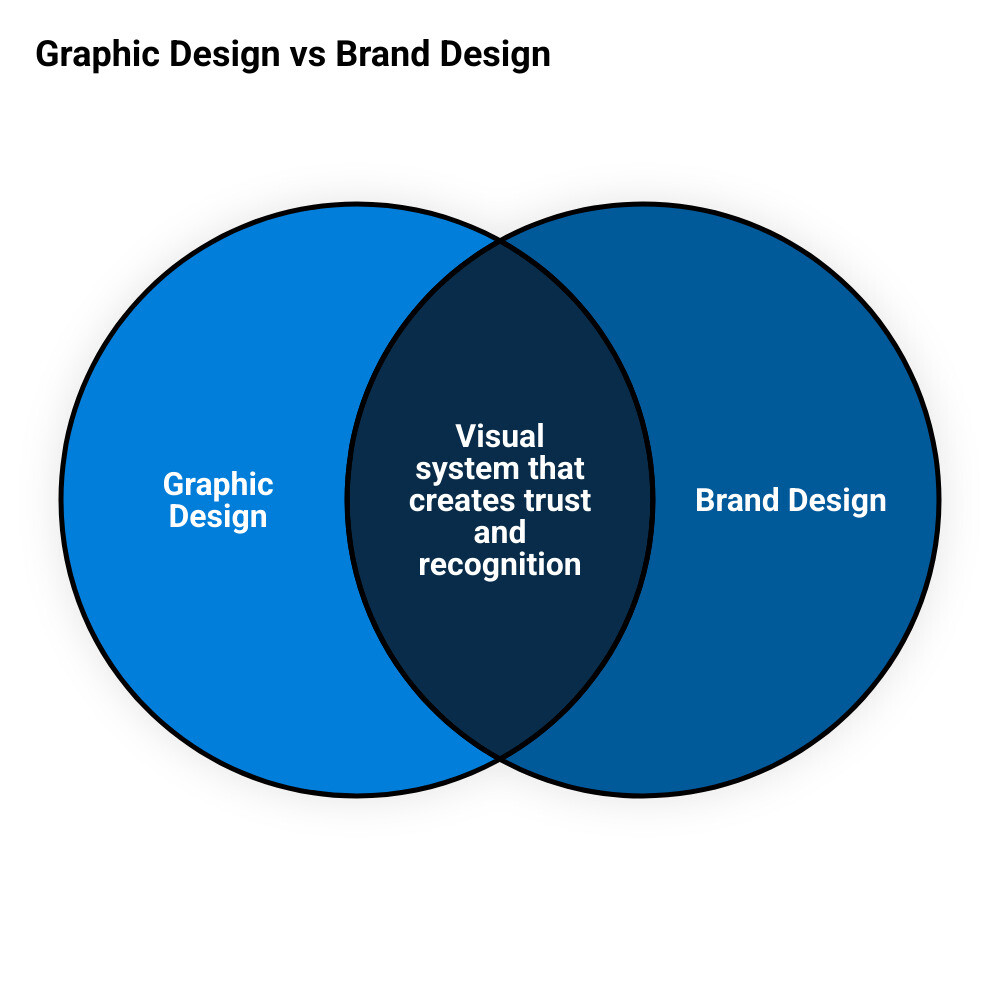
Understanding the Core Differences: Graphic and Brand Design
To build an impactful presence, we must first clear up a common point of confusion: the difference between general graphic design and comprehensive brand design. While they are closely intertwined, they serve entirely different stages of your business’s visual and strategic journey.
| Feature | Graphic Design | Brand Design |
|---|---|---|
| Primary Focus | Tactical execution and individual visual assets | Strategic positioning and holistic visual identity |
| Core Deliverables | Marketing collateral, brochures, social media posts, ads | Brand guidelines, logo systems, color palettes, typography |
| Scope | Project-based, short-to-medium term | Long-term, foundational, and strategic |
| Goal | To communicate a specific message or drive a direct action | To build brand equity, trust, and long-term recognition |
Think of brand design as the architectural blueprint of a house, and graphic design as the interior styling. You cannot hang beautiful paintings (graphic design) if the walls themselves aren’t structurally sound (brand design).
What is Graphic Design?
Graphic design is the art and practice of planning and projecting ideas and experiences with visual and textual content. It is primarily concerned with visual communication and tactical execution. When we look at a beautifully formatted magazine layout, a striking billboard along Interstate 81 in Pennsylvania, or an engaging Instagram carousel, we are looking at the work of a graphic designer.
Graphic designers focus on layout design, digital assets, color application, and typography to solve immediate communication problems. They take existing brand assets and arrange them in a way that is visually appealing, readable, and conversion-focused. For those interested in the academic and professional foundations of this craft, programs like the Graphic Design – Pennsylvania College of Art & Design showcase how rigorous training in visual communication shapes the designers who execute these daily marketing assets.
What is Brand Design?
Brand design, on the other hand, is a deeply strategic process. It is the creation of a unified visual and conceptual system that represents a business’s core values, mission, and personality. Rather than focusing on a single ad campaign, brand design establishes the entire visual universe in which a business operates.
This discipline is responsible for strategic positioning, creating emotional connections, and building long-term brand equity. It defines how a company differentiates itself from competitors, how it speaks to its target audience, and how it remains recognizable across every possible touchpoint. At Zen Agency, we specialize in this foundational stage through our Brand Identity Design services, helping businesses establish a distinct visual DNA before they begin running active marketing campaigns.
The Core Principles of Effective Branding Design
Creating a visual identity is not just about picking colors that look nice together. It is a science that relies on core principles to ensure your business builds a memorable, trustworthy presence in the market.
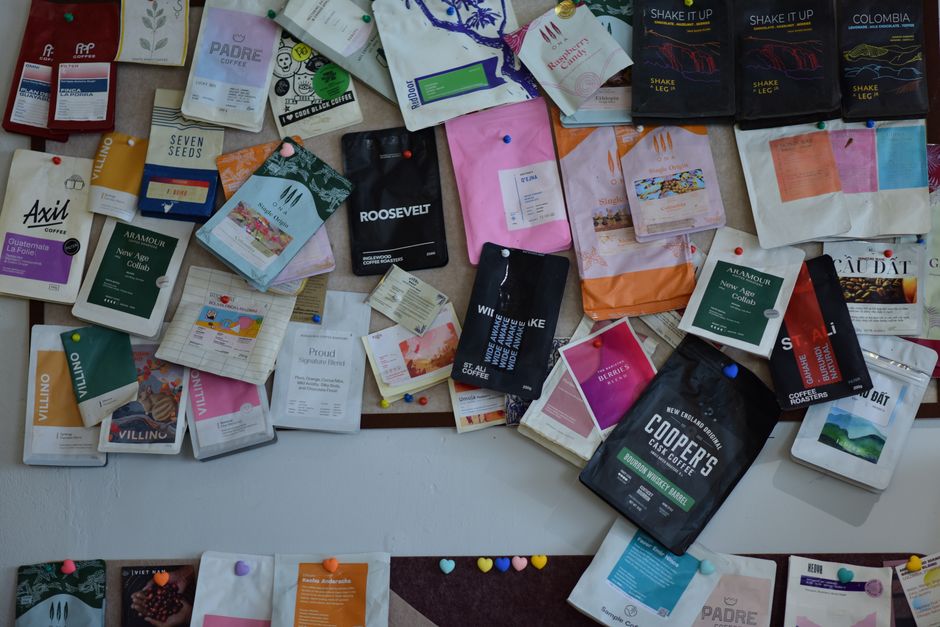
When we develop a brand identity, we adhere to four non-negotiable principles:
- Consistency: Using the same colors, fonts, and visual styles across all platforms.
- Recognition: Designing elements that are instantly identifiable, even without seeing the company name.
- Trust: Crafting a professional, polished appearance that signals reliability and authority.
- Scalability: Ensuring every asset looks exceptional whether it is on a tiny smartphone screen or a massive billboard in Billings, MT.
Building Trust and Recognition Through Graphic and Brand Design
Why do these principles matter so much? It comes down to human psychology and visual processing. Research shows that 90% of information transmitted to the brain is visual, and our brains process these visuals 60,000 times faster than text. When a potential customer visits your website, they form an opinion in just 0.05 seconds.
If your visual presentation is disjointed, unprofessional, or confusing, you lose their trust before they even read your first headline. Conversely, companies that maintain a strong, consistent brand presence see a 3-5x increase in brand awareness. Over time, this consistent exposure builds deep-seated customer trust. If you want to dive deeper into this long-term approach, our guide on How to Build a Brand That Lasts: A Step-by-Step Strategy Guide outlines the exact steps needed to turn temporary attention into permanent loyalty.
Ensuring Scalability Across Digital and Physical Touchpoints
A brilliant brand design must be highly adaptable. It needs to look just as pristine on a responsive mobile website as it does on physical packaging, embroidered employee uniforms, or environmental graphics inside your corporate office.
This level of scalability requires expert-level planning. For example, a complex logo with intricate gradients and fine lines might look great on a desktop monitor, but it will completely fall apart when printed on a cardboard shipping box or scaled down to a 16×16 pixel browser favicon.
Industry leaders have demonstrated for decades how world-class brand systems must be built with extreme flexibility to seamlessly transition between high-tech digital applications and tactile physical spaces. When we design for our clients in Scranton or Wilkes-Barre, we ensure every logo, typeface, and layout is built to scale gracefully across every medium.
Essential Elements of a Strong Brand Identity
A strong brand identity is a puzzle made of several moving parts. When these elements are designed to work together, they form a cohesive visual language that speaks volumes about your business.
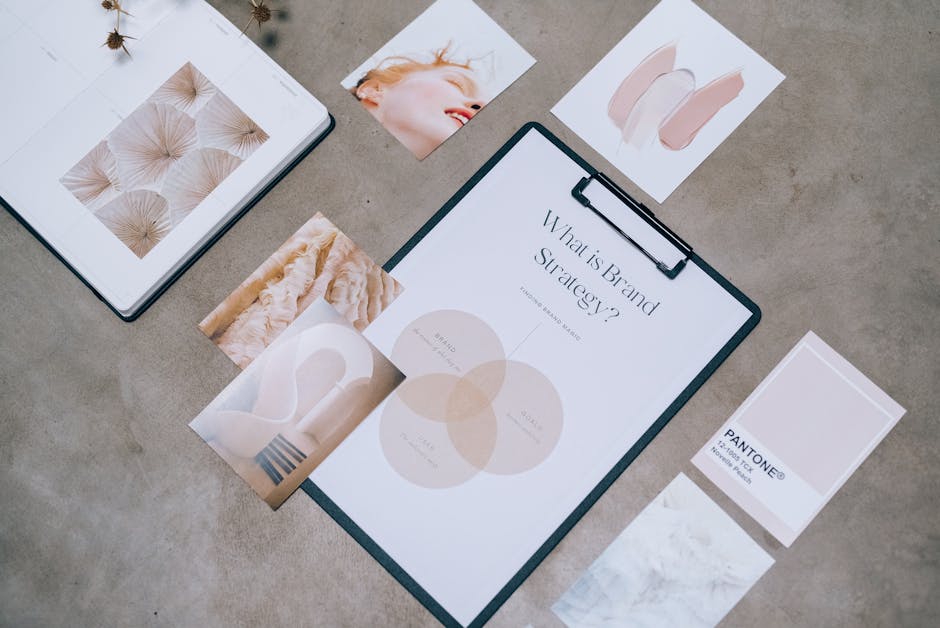
Creating a Cohesive Visual Language with Graphic and Brand Design
To build this language, we focus on three foundational pillars:
- Logos and Marks: Your logo is the visual anchor of your brand. It should be simple, memorable, and limited to three colors or fewer for optimal scalability and recognition.
- Color Palettes: Colors evoke immediate emotional responses. Using color psychology, we select palettes that align with your industry and brand personality — whether that is a trustworthy deep blue, an energetic orange, or an eco-friendly green.
- Typography: The fonts you choose carry their own voice. A sleek sans-serif communicates modern innovation, while a classic serif font conveys heritage, authority, and stability.
When these elements are chosen with intent, they establish a clear visual hierarchy that guides the viewer’s eye exactly where you want it to go. To ensure these elements remain unified across your entire organization, you must document them. We break down how to compile these rules in The Ultimate Guide to Brand Guideline Creation, which serves as a blueprint for your brand’s visual future.
The Strategic Role of Brand Guidelines
Brand guidelines (also known as a brand style guide) are the rules of engagement for your visual identity. Without them, consistency is impossible to maintain. As your business grows, different team members, external vendors, and agencies will create content for you.
A comprehensive style guide ensures that everyone uses the exact same color hex codes, font weights, logo placements, and brand voice. It takes the guesswork out of asset management and prevents the slow degradation of your brand’s visual integrity. To understand how to establish these rules for your own business, explore Your Brand, Your Rules: A Guide to Custom Identity Design, which highlights the power of owning a tailored design system.
Rebranding vs. Brand Refresh: When to Pivot
As the market evolves, there may come a time when your existing visual identity no longer serves your business goals. When this happens, you must decide between a subtle brand refresh and a complete, ground-up rebrand.
To determine which path is right for your business, consider the following:
- Brand Refresh (for slightly dated brands where core values remain the same):
- Tweak logo typography
- Modernize color palette
- Update website layouts
- Complete Rebrand (for major structural shifts):
- New name or core message
- Mergers & acquisitions
- Total target audience shift
A brand refresh is like updating the paint and furniture in your home. You keep the underlying structure but update the look to feel contemporary. This might involve modernizing your logo’s font, expanding your color palette, or updating your website’s UI/UX.
A complete rebrand is a total structural rebuild. This is necessary when your business undergoes a major pivot, experiences a merger or acquisition, shifts to an entirely new target audience, or needs to distance itself from outdated, negative market perceptions.
If you are trying to figure out if your business needs a major digital overhaul to reconnect with your audience, check out our insights in Beyond Logos: Why Your Business Needs a Digital Branding Agency to discover how deep strategic shifts drive modern digital growth.
Choosing the Right Partner: Freelancer, Agency, or Specialized Designer
When you are ready to invest in your visual identity, you have a few paths to choose from. Finding the right fit depends on your budget, project scope, and the level of strategic depth you require.
- Freelance Designers: Often highly skilled in execution and great for individual graphic design projects (like social templates or brochures). However, they may lack the broad strategic context and marketing resources needed for a full brand design from scratch.
- Specialized Brand Designers: Excellent for creating beautiful, customized visual identities, but they may not offer the technical web development and digital marketing integration needed to launch your brand successfully online.
- Full-Service Digital Agencies: This is where Zen Agency fits in. We combine strategic brand design with technical execution — including custom web development, SEO, and performance marketing. We don’t just hand you a logo; we build the entire digital engine that puts that logo to work.
If you are weighing your options and want to find the perfect creative partner for your business’s unique needs, read our detailed comparison on Finding Your Perfect Match: A Custom Graphic Design Company for Every Need.
Frequently Asked Questions about Graphic and Brand Design
What is the difference between a graphic designer and a brand designer?
A graphic designer focuses on tactical execution, taking existing assets to create individual items like ads, social graphics, and flyers. A brand designer focuses on strategic planning, building the overarching visual systems, guidelines, and identity that the graphic designer will eventually use.
How does consistent branding design increase business revenue?
Consistent branding builds visual trust and instant recognition. When customers see a cohesive identity across all platforms, it reduces purchasing friction. In fact, consistent brand presentation across all channels can increase business revenue by up to 23%.
When should a business consider a complete rebrand?
A business should consider a complete rebrand during major business pivots, shifts in the target demographic, mergers or acquisitions, or when the current identity is so outdated that it actively hurts competitive positioning in the modern market.
Conclusion
In the fast-moving business landscape of May 2026, standing out requires more than just a nice logo or a few scattered social media posts. It requires a seamless marriage of graphic and brand design. By combining long-term visual strategy with flawless daily execution, you build a brand that commands attention, earns customer trust, and drives sustainable, long-term revenue growth.
Since 2008, Zen Agency has provided enterprise-grade digital solutions to businesses struggling to scale. From our offices in Pennsylvania (including Scranton, Wilkes-Barre, and Wyoming) to Billings, Montana, we help companies build robust brand identities and high-performing digital platforms.
Ready to transform your brand and unlock your true growth potential? Partner with Zen Agency for Professional Branding and Graphic Design Services today, and let’s build a brand that lasts.