Everything You Need to Know Before Hiring a Conversion Agency
Why Hiring a Conversion Optimisation Agency Can Improve Marketing ROI
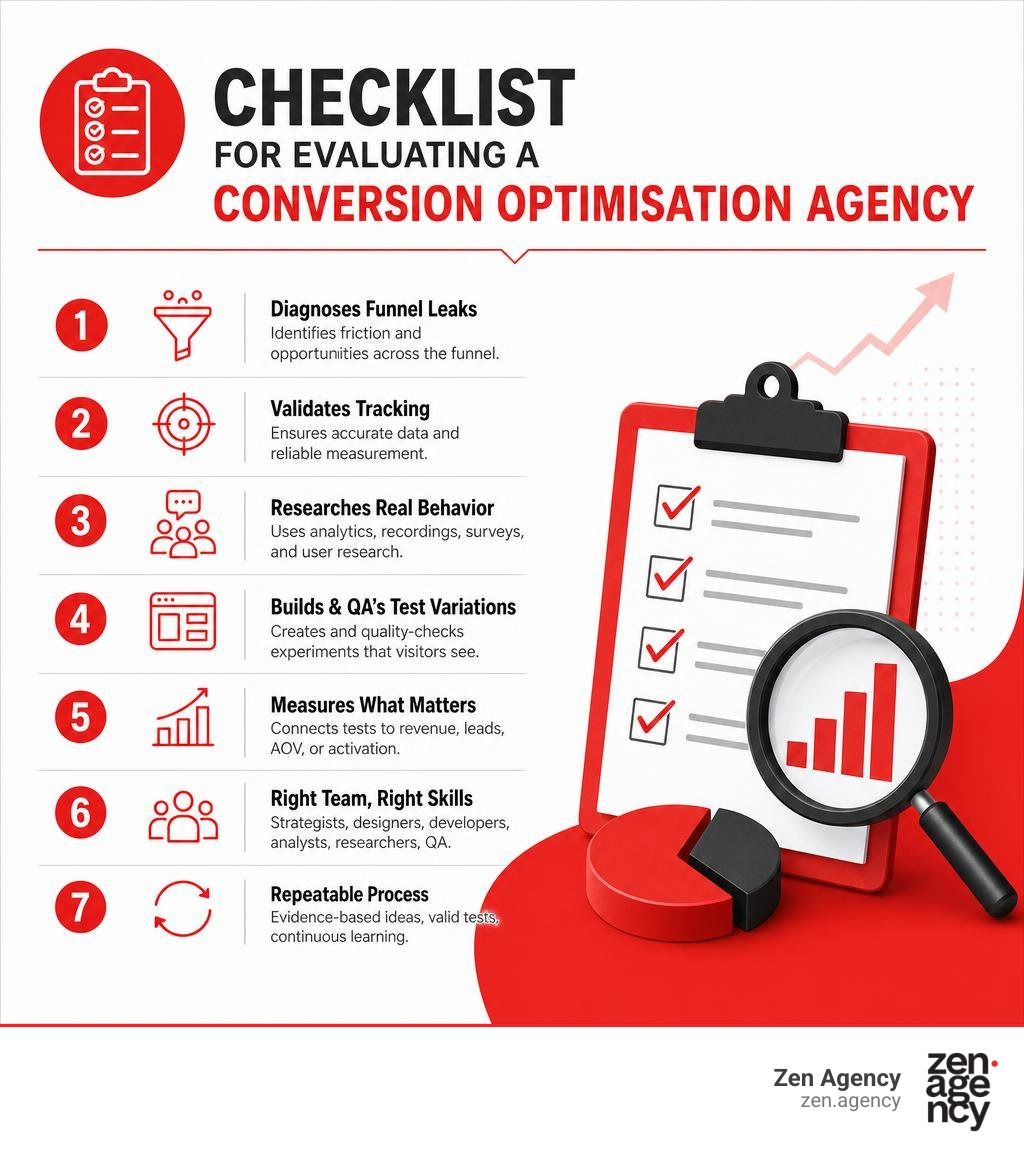
A conversion optimisation agency helps you get more value from the traffic you already have. Before hiring one, look for an agency that can diagnose funnel leaks, validate your tracking, research real visitor behavior, build and QA test variations, and report results in revenue – not just clicks or vague engagement metrics.
The right partner should also be clear about three things:
- How it finds test ideas: It should use analytics, session recordings, surveys, and user research rather than opinions alone.
- Who does the work: Effective CRO needs strategists, designers, developers, analysts, researchers, and QA support.
- How it measures success: Ask how the agency connects winning tests to incremental revenue, qualified leads, average order value, or activation.
CRO is not a redesign based on taste. It is a repeatable process of finding friction, forming evidence-based hypotheses, and running valid experiments. Some businesses can launch an initial test in roughly 15 days, while larger, reliable conversion gains often take 90 days or more as the team gathers enough data and learns what changes actually work.
I am Joseph Riviello, CEO and Founder of Zen Agency, with more than 22 years of digital marketing leadership experience helping companies improve traffic, leads, conversions, and revenue. In this guide, I will explain what to assess before choosing a conversion optimisation agency for sustainable growth.
Simple guide to conversion optimisation agency terms:
What Does a Full-Service Conversion Optimisation Agency Actually Do?
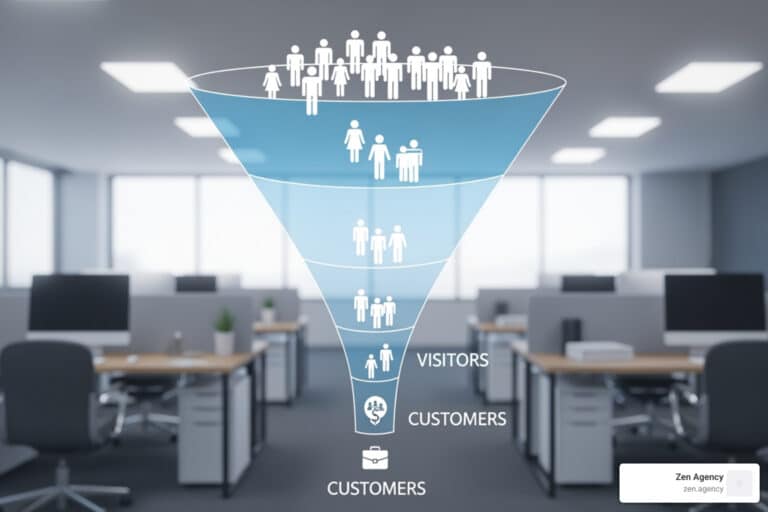
Many brands think hiring a conversion partner means changing button colors from navy blue to neon green. While testing design tweaks is part of the work, full-service conversion rate optimization runs deeper. A seasoned conversion agency looks at your entire customer journey to uncover where users struggle, hesitate, or abandon their carts entirely.
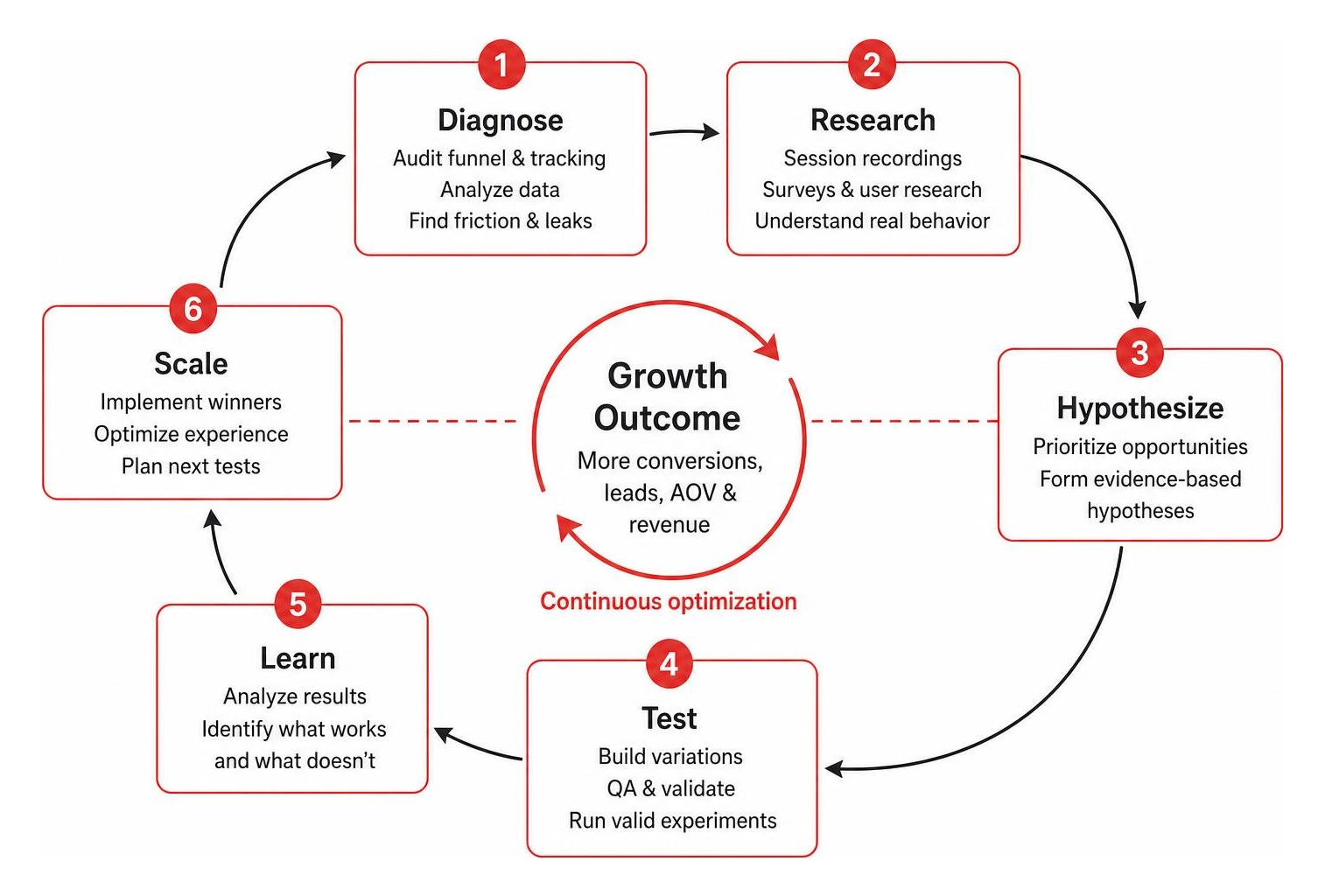
Instead of relying on gut instinct, an agency combines quantitative data diagnostics, qualitative research, and behavioral psychology to eliminate friction across your sales funnel. The ultimate goal is not merely lifting a vanity percentage on a dashboard, but driving real, bottom-line revenue growth from the visitors already browsing your catalog or landing pages.
Core Responsibilities: From Heuristics to Live Testing
A dedicated agency approaches your site through a scientific, end-to-end framework. Rather than jumping straight into coding variations, the process begins with deep diagnostics:
- Heuristic Evaluations: Senior evaluators walk through key user flows on mobile and desktop, pinpointing clarity issues, visual distractions, and cognitive friction points.
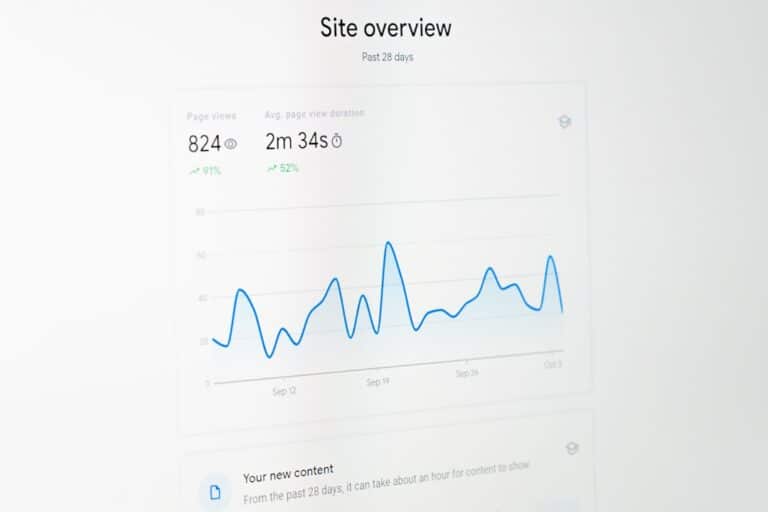
- Funnel & Quantitative Analysis: Analysts audit your Google Analytics 4 setup and behavioral funnels to find the exact pages, forms, or checkout steps experiencing drop-offs.
- Qualitative Voice-of-Customer Mining: Specialists deploy on-site polls, review session recordings, analyze heatmaps, and read customer support transcripts to learn why visitors leave without converting.
- Hypothesis Formulation & Wireframing: Using the gathered data, the team drafts clear hypotheses explaining what needs to change, why the change will work, and how success will be measured. Designers then create high-converting UX wireframes and mockups.
- Full-Stack Development & QA: Developers code the variations using your preferred testing tool, while quality assurance engineers test the variations across multiple browsers and screen sizes before anything goes live.
To understand how these pieces fit together to turn casual visitors into paying customers, read our breakdown of Conversion Rate Optimisation 101: How to Turn Lurkers into Buyers.
Why Partner with a Conversion Optimisation Agency Over Building In-House?
Building an in-house experimentation team requires hiring several specialized roles: a strategist, UX designer, front-end developer, QA tester, user researcher, and data analyst. For most growing companies, managing that overhead is cost-prohibitive.
| Challenge | In-House Team | Specialized CRO Agency |
|---|---|---|
| Skill Diversity | Often limited to 1–2 generalists wearing multiple hats | Multi-disciplinary pod of dedicated specialists |
| Tooling & Infrastructure | Must purchase, configure, and maintain separate software stacks | Direct expertise across major platforms (VWO, Optimizely, FigPii, Convert) |
| Test Velocity | Often stalls due to competing internal development priorities | Dedicated technical sprints designed to launch tests on schedule |
| Experience Breadth | Limited to historical learnings from a single website | Informed by data across hundreds of tested user journeys |
Partnering with an external team eliminates the learning curve and frees your internal staff to focus on broader business operations. If you are weighing the resource trade-offs, explore why you need professional CRO implementation services to accelerate your testing velocity.
Expected Results, Timelines, and Team Structure
When investing in conversion optimization, setting realistic expectations around milestones, metrics, and team dynamics ensures a smooth working relationship.
Multidisciplinary Pods: Combining Data Intelligence and Human Expertise
Top-performing agencies do not assign a lone account manager to juggle your entire testing program. Instead, they deploy multi-disciplinary teams (often organized as focused pods) where each member handles their specific discipline:

- CRO Strategist: Directs the overall testing roadmap, prioritizes backlogs, and aligns tests with business objectives.
- Data Analyst: Audits tracking configurations, calculates statistical power, and measures direct revenue impact.
- User Research Specialist: Collects customer feedback, analyzes heatmaps, and reviews user survey transcripts.
- Senior UX Designer: Creates clear wireframes and interface assets that solve specific user friction points.
- Front-End Developer: Builds clean JavaScript, HTML, and CSS variations that load quickly without flickering.
- QA Engineer: Tests every experiment across operating systems, devices, and screen resolutions to protect the live site experience.
Real-World Impact: Conversion Lifts, Revenue Growth, and ROI Expectations
A disciplined CRO program focuses on clear economic outcomes: higher conversion rates, larger average order values, and stronger customer lifetime value. While every brand’s audience is different, well-structured programs target measurable growth:
- Targeting Up to 30% More Conversions in 90 Days: Through continuous, iterative testing, compounding wins help scale sales velocity across product and lead funnels.
- Achieving Predictable Win Rates: Across the industry, generic testing ideas often win just 10% to 15% of the time. Agencies running research-backed hypotheses consistently achieve win rates of 40% or higher.
- Expanding SaaS and Lead Generation: In SaaS environments, optimizing user onboarding funnels frequently lifts trial-to-paid activation rates, while B2B companies reduce cost-per-acquisition. For specific strategies on scaling pipeline efficiency, see how to convert more leads B2B CRO for digital dominance.
Whether working with a specialized boutique team or hiring an enterprise-level partner, the program should demonstrate clear ROI within 60 to 90 days.
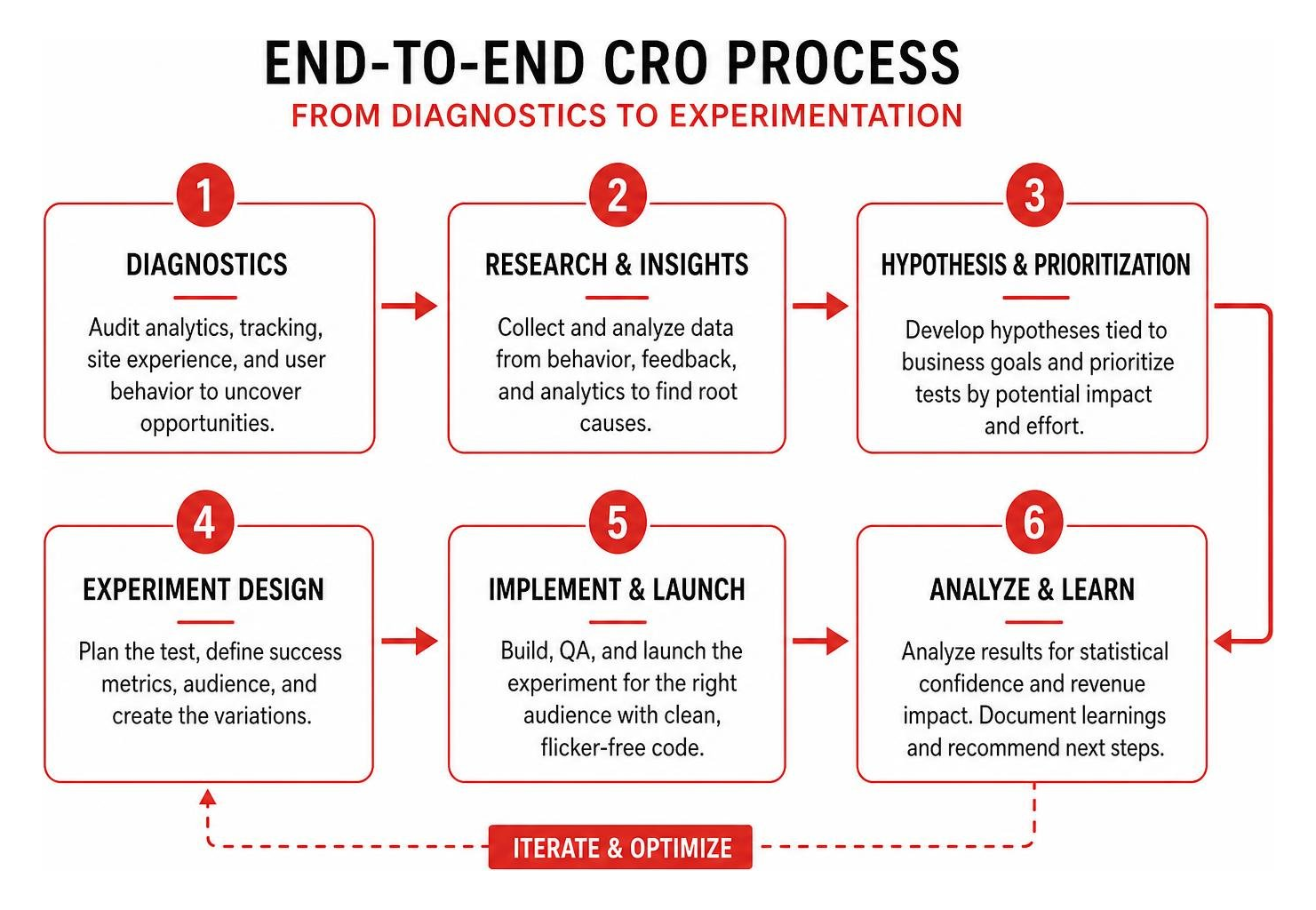
The End-to-End CRO Process: From Diagnostics to Live Experiments
A structured optimization engagement follows a reliable methodology, moving methodically from discovery to validation.
Dual-Track Testing: Launching Fast Wins While Mining Deep Visitor Insights
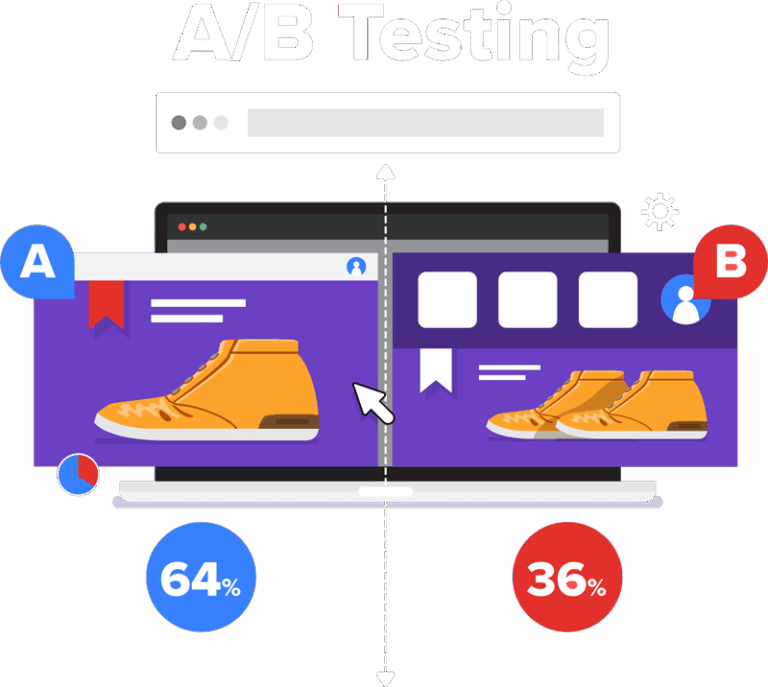
Waiting three months for initial research before launching a single test can slow business momentum. Modern conversion agencies use a dual-track testing approach that balances speed with long-term research depth:
- Track 1 (Rapid Experimentation): The team identifies obvious UX barriers, layout flaws, and broken elements during the initial audit, launching straightforward validation tests within the first 15 days.
- Track 2 (Deep Exploratory Research): In parallel, user researchers mine qualitative feedback, review session replays, and analyze complex visitor funnels over a 60-to-90-day cycle to fuel higher-impact strategic tests.
This dual-track system ensures your website captures quick wins while building a continuous pipeline of validated tests. For a practical walkthrough of the testing cycle, explore our step-by-step guide to website conversion optimization.
Ensuring Data Integrity: Tracking Audits, Cross-Device QA, and Statistical Validity
Running experiments on flawed analytics leads to bad business decisions. A professional agency audits your tracking setup before launching tests to ensure clean data collection.
- Analytics and Event Auditing: Verifying custom conversions, checkout milestones, and GA4 configurations ensures every sale and lead is recorded properly.
- Cross-Device and Cross-Browser QA: Testing code variations across desktop browsers (Chrome, Safari, Edge, Firefox) and mobile viewports prevents visual glitches or broken checkout buttons.
- Statistical Significance and Sample Sizes: Experiments must run until they reach sufficient statistical power (typically 95% confidence) while accounting for business cycle variations. Ending tests prematurely creates false positives.
Following these CRO best practices protects your baseline metrics and ensures every reported revenue gain is accurate.
How to Choose the Right Agency for Your Business Model
Selecting the right partner requires evaluating team capabilities, commercial structures, and testing methodologies.
Flat-Fee Retainers vs. Performance-Based Pricing Models
Agencies generally structure their commercial agreements around one of two models:
| Model | How It Operates | Best Suited For | Key Considerations |
|---|---|---|---|
| Flat-Fee Retainer | Fixed monthly investment covering strategy, development, design, and analysis. | Brands needing consistent testing velocity and predictable operational budgets. | Ensures reliable development sprints and dedicated team hours every month. |
| Performance-Based (No Lift, No Fee) | Agency fees are tied directly to verified revenue or conversion rate uplifts. | High-volume merchants looking to share commercial risk with their testing partner. | Requires strict, agreed-upon analytics attribution and statistically stable traffic. |
For smaller projects or targeted landing page reviews, working with an independent freelance consultant can provide useful initial feedback, whereas scaling businesses typically need the full technical capacity of a dedicated agency team.
Key Questions to Ask Any Conversion Optimisation Agency Before Signing
Before entering an agreement, ask these direct questions to evaluate how the agency operates:
- Where do your test hypotheses originate? (Confirm they rely on user research, heatmaps, and analytics rather than subjective design trends.)
- Who writes, tests, and deploys the variation code? (Ensure they provide dedicated front-end developers and QA engineers rather than outsourcing execution back to your team.)
- How do you calculate statistical significance? (Check that they use established Bayesian or Frequentist statistical models and run tests across full business cycles.)
- How is revenue impact reported? (Verify that reports link directly to order values, closed leads, or transactions rather than superficial engagement metrics.)
- What tools are included in your workflow? (You can evaluate your current options with our guide to boost your site with these amazing free CRO tools.)
Asking these questions early helps you avoid unqualified providers. For more tips on identifying conversion roadblocks, review our guide on how to stop losing leads with these CRO secrets.
Frequently Asked Questions About CRO Agencies
How soon can our business expect measurable results from a CRO program?
Initial A/B tests addressing high-friction areas typically go live within 15 days of completing analytics tracking audits. Measurable revenue trends usually surface within 30 to 60 days, while comprehensive, site-wide conversion lifts take roughly 90 days as sequential experiments compound.
What website traffic and revenue thresholds are required for conversion testing?
To run statistically valid A/B tests that reach significance within a reasonable timeframe (typically 2 to 4 weeks), websites generally need at least 30,000 monthly unique visitors or roughly 300 to 500 conversions per month. Sites below these thresholds can still benefit from qualitative research, heuristic reviews, and user feedback sessions.
What is the difference between a conversion platform and a full-service agency?
A conversion platform (such as VWO, Optimizely, or FigPii) is the software used to configure, serve, and measure experiments. A full-service agency provides the multidisciplinary human team—strategists, data analysts, designers, developers, and QA specialists—needed to research, design, build, and evaluate the tests run within that software.
Conclusion
Hiring the right conversion partner transforms your website from a static digital brochure into an efficient, self-funding growth channel. By pairing data diagnostics and visitor research with disciplined development and QA, an experienced team removes the guesswork from scaling your business.
At Zen Agency, we help companies identify funnel leaks, improve user engagement, and drive measurable revenue growth through custom development and data-driven marketing. If you are comparing optimization strategies for direct sales versus lead-generation funnels, read our guide on e-commerce vs service-based PPC campaigns to learn how we structure high-performing digital experiences.